By Steve Haymes, Founder, Biotin Xtreme Hair Care — Updated September 2026
Quick Answer
- Most people can use a well-formulated biotin shampoo every time they wash their hair, including daily, as long as the formula is sulfate-free and free of harsh preservatives
- People with an oily scalp generally tolerate daily use well
- People with dry, normal, or color-treated hair often do better washing three to four times a week to avoid over-cleansing
- Biotin shampoo is a cosmetic cleansing product, not a treatment for biotin deficiency or a guaranteed hair-growth solution — see the sections below for what the evidence actually supports
Can You Use Biotin Shampoo Every Day?
Yes, in most cases — but “every day” isn't automatically right for every hair type.
A biotin shampoo formulated without sulfates, parabens, or formaldehyde-releasing preservatives is generally gentle enough for daily use. The bigger question isn't the biotin itself; it's the rest of the formula. A harsh, sulfate-heavy cleanser used daily can strip natural oils and leave hair feeling dry or frizzy, regardless of what active ingredients it contains.
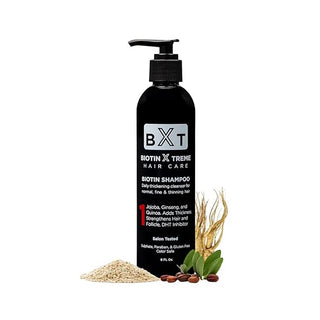
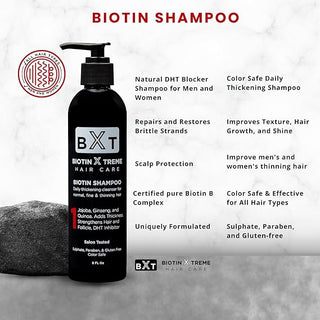
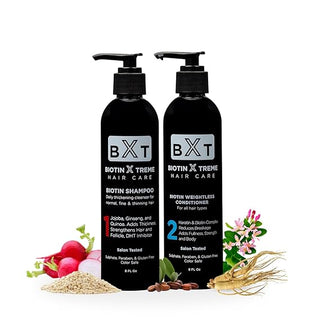
If your scalp tends to get oily quickly, daily washing with a gentle, sulfate-free biotin shampoo — like BXT Natural Biotin Shampoo — can help keep the scalp clean without over-drying the lengths.
If your hair is dry, curly, chemically processed, or color-treated, daily shampooing (biotin or otherwise) usually isn't necessary. For a deeper look at balancing cleansing and conditioning on dry or frizzy hair, see our guide to choosing the best shampoo and conditioner for dry and frizzy hair.
How Often Should You Use Biotin Shampoo, Based on Hair and Scalp Type?
There's no single frequency that's correct for everyone. The right answer depends on your scalp's oil production, your hair texture, how much you sweat or exercise, and whether your hair is chemically processed.
As a general starting point:
- Oily scalp: daily use is usually fine and often helpful
- Normal hair: every other day to every day
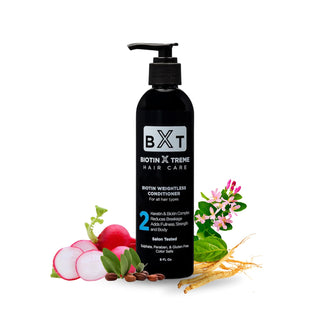
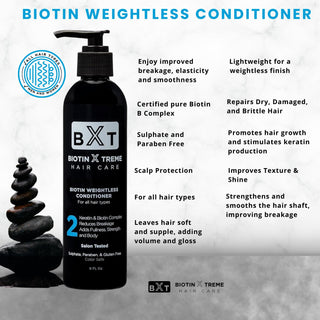
- Dry, curly, or color-treated hair: three to four times a week, pairing shampoo with a conditioner such as BXT Biotin Keratin Conditioner
- Fine or thinning hair: frequent, lightweight washing tends to work better than infrequent washing with heavy products — our guide on reducing thinning hair in women covers this in more detail
If you're not sure where you fall, start with three to four washes a week and adjust based on how your scalp and hair actually respond — that's a more reliable guide than any generic schedule.
What to Look for in a Biotin Shampoo You'll Use Regularly
If you plan to use a biotin shampoo as part of your everyday routine, the overall formula matters more than the biotin content alone. Look for:
A clean, sulfate-free formula. Sulfates are effective cleansers, but they can strip the scalp and hair of natural moisture with frequent use, which can lead to dryness and frizz over time. BXT Natural Biotin Shampoo is formulated without sulfates, parabens, or formaldehyde-releasing preservatives. If you'd like to understand the regulatory context around preservatives like parabens, the FDA's page on parabens in cosmetics is a good starting point.
Color-safe cleansing. If you have color-treated hair, a gentler, sulfate-free formula is generally a safer choice for regular use than a stripping clarifying shampoo.
A formula suited to how often you'll actually use it. A shampoo built for daily use should be gentle enough not to require “off days” to let your hair recover.
Is Biotin Shampoo Good for Hair?
Biotin (vitamin B7) is best known for its role in a rare but real problem: biotin deficiency, which can affect hair, skin, and nails. According to the NIH Office of Dietary Supplements, biotin is a B-vitamin involved in converting food into energy, and true dietary deficiency is uncommon in people eating a varied diet.
That distinction matters for how you think about biotin in a shampoo. Topically applied biotin in a shampoo formula is best understood as one component of a broader cosmetic formulation — alongside conditioning agents like jojoba and quinoa — designed to support a healthier-looking, better-feeling scalp and hair, rather than as a treatment for a medical condition.
Used consistently as part of a gentle, well-formulated routine, a biotin shampoo can help keep the scalp clean, support manageable hair texture, and avoid the stripping effect of harsher cleansers. That's a meaningfully different claim than saying biotin itself “fixes” hair problems — and it's the claim we can actually stand behind.
Does Biotin Shampoo Help Hair Growth?
This is worth answering honestly, because the marketing around biotin often runs ahead of the science.
Clinical research on oral and topical biotin for hair growth is limited. A 2024 evidence review published in the Journal of Clinical and Aesthetic Dermatology found that biotin supplementation has not been shown to improve hair growth in people without an underlying biotin deficiency, and that no randomized controlled trials have specifically evaluated biotin for hair loss in the general population. Benefits are more consistently seen in the rare cases of documented deficiency, malabsorption, or specific conditions like uncombable hair syndrome.
That doesn't mean biotin shampoo has no place in a hair care routine — it means its role is realistic rather than miraculous. A gentle, biotin-containing shampoo can support the overall condition and manageability of hair as part of a broader routine, but it should not be marketed or relied on as a hair-growth treatment. If thinning or hair loss is your primary concern, our guide on is biotin shampoo good for hair loss and hair growth goes into more depth, and persistent or sudden hair loss is worth discussing with a healthcare provider rather than addressing with cosmetic products alone.
If you're trying to understand how biotin compares to protein-based ingredients like keratin, see Keratin vs. Biotin Shampoo: What's the Difference?
Frequently Asked Questions
Can you use biotin shampoo every day?
In most cases, yes — as long as the formula is sulfate-free and gentle. People with oily scalps tend to do well with daily use; people with dry, curly, or color-treated hair often do better washing three to four times a week.
How often should I use biotin shampoo?
It depends on your scalp and hair type. Oily scalps generally tolerate daily use; normal hair does well every other day; dry, processed, or curly hair usually does better with three to four washes a week.
Is biotin shampoo good for hair?
A well-formulated biotin shampoo can help cleanse the scalp gently and support manageable, healthier-feeling hair as part of a broader routine. It should be viewed as a cosmetic support product rather than a treatment for a medical or nutritional condition.
Does biotin shampoo help hair growth?
Current clinical evidence does not show that biotin, oral or topical, meaningfully improves hair growth in people who aren't biotin-deficient. Biotin shampoo can support overall hair condition, but it shouldn't be relied on as a hair-growth treatment.
Can I use biotin shampoo every day if I have colored hair?
Yes, if the formula is sulfate-free and color-safe. Sulfates can strip color and natural moisture with frequent use, so a gentler formula matters more than the shampoo frequency itself.
About Biotin Xtreme Hair Care
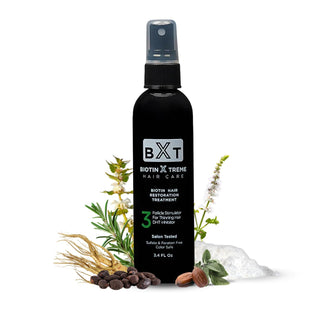
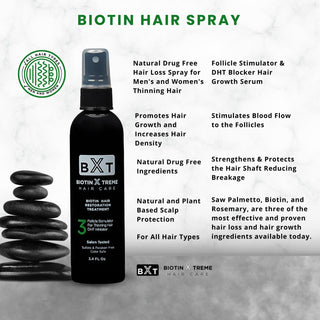
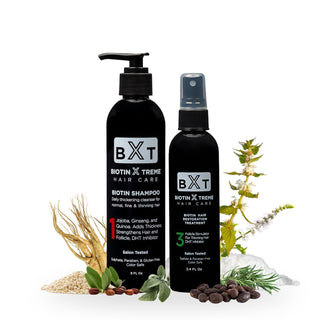
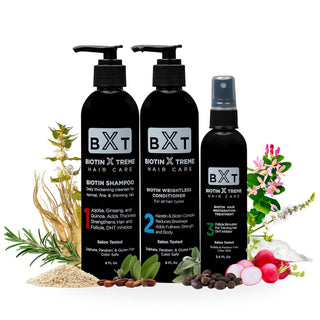
Biotin Xtreme Hair Care was founded by Steve Haymes after more than 30 years of experience in the salon and hair-care industry. Our biotin shampoo, keratin conditioner, and hair restoration spray are formulated without sulfates, parabens, or formaldehyde-releasing preservatives. For a full routine, they're also available together in the Biotin Shampoo and Conditioner Set.
Editorial note: This article provides general hair-care information and is not intended to diagnose or treat a medical condition. Persistent, sudden, or unexplained hair loss should be evaluated by a qualified healthcare professional.