Dealing with thinning hair can be a real bummer, and it's something a lot of women go through as well, 70% of men and over 50% of women have hair loss issues in they’re life time It's not just about losing strands; it can really affect how you feel about yourself. The good news is, there are tons of ways to tackle this, from simple changes you can make at home to treatments a doctor might suggest. We're going to break down how to reduce thinning hair in women, looking at everything from what you eat to how you care for your hair.
Key Takeaways
- Understand that thinning hair in women can stem from various factors, including genetics, hormones, and even scalp inflammation.
- Adopt gentle hair care routines, using mild shampoos and conditioners, and minimizing heat styling and chemical treatments.
- Support hair health through proper nutrition, ensuring you get enough essential vitamins and minerals like biotin and omega fatty acids.
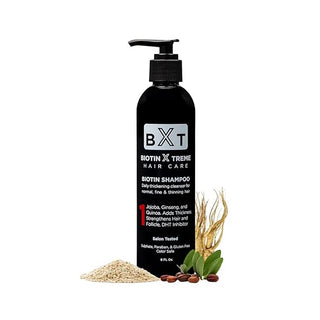
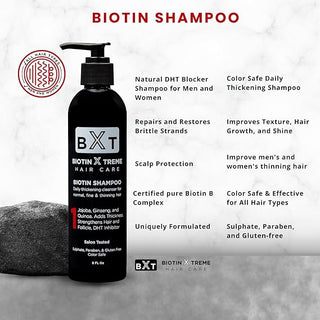
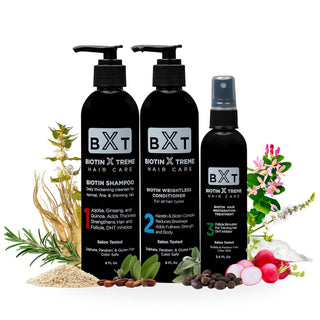
- Explore natural plant based hair loss products like Biotin Xtreme Hair Care products along with scalp massages, or laser therapy if needed.
- Consider lifestyle adjustments like stress management and quitting smoking, alongside cosmetic solutions like wigs or hair transplants.
Understanding the Causes of Thinning Hair
It can be really unsettling to notice more hair on your brush or in the shower drain than usual. Many women experience thinning hair, and it's not just a cosmetic issue; it can often point to something else going on. Figuring out the 'why' is the first step to finding a solution.
Identifying Underlying Medical Conditions
Sometimes, hair thinning is a symptom of a larger health problem. Conditions like thyroid issues, anemia (low iron), or autoimmune diseases such as lupus can all impact your hair's growth cycle. It's not always obvious, but a doctor can help figure this out. They might do a blood test to check for deficiencies or imbalances. If a medical condition is the culprit, treating that underlying issue is often the key to seeing your hair recover.
Recognizing Genetic Predispositions
Genetics play a big role in hair loss for many women. Female-pattern hair loss, also known as androgenic alopecia, is quite common. This often shows up as a widening of your part or a general thinning over the crown of your head. It tends to run in families, so if your mother or grandmother experienced it, you might be more prone to it too. This type of hair loss usually develops gradually over time.
Understanding Hormonal Influences
Hormones are powerful, and shifts in them can definitely affect your hair. Think about major life changes like pregnancy, childbirth, or menopause. These events can cause temporary or sometimes longer-term hair thinning. Polycystic ovary syndrome (PCOS) is another condition that involves hormonal imbalances and can lead to hair loss. If you suspect hormones are involved, talking to your doctor is a good idea.
The Role of Scalp Inflammation
An inflamed scalp isn't a happy place for hair to grow. Conditions like eczema, psoriasis, or even just general scalp irritation can disrupt the hair follicle's ability to produce healthy hair. Sometimes, this inflammation can lead to scarring, which might cause permanent hair loss in affected areas. Keeping your scalp healthy and free from irritation is important for promoting hair growth. A dermatologist can help diagnose and treat scalp conditions that might be affecting your hair. Learn about hair loss.
It's easy to get caught up in trying quick fixes, but understanding the root cause of your thinning hair is really important. Whether it's a medical condition, genetics, hormones, or scalp health, knowing what you're dealing with makes a big difference in finding the right treatment plan.
Gentle Hair Care Practices for Thinning Hair
When your hair is thinning, it's extra fragile. Treating it with care can make a big difference in preventing further loss and breakage. It’s not about harsh treatments; it’s about being kind to your scalp and strands.
Choosing the Right Shampoo and Conditioner
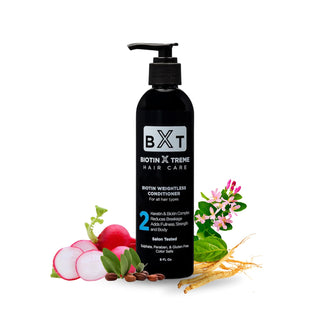
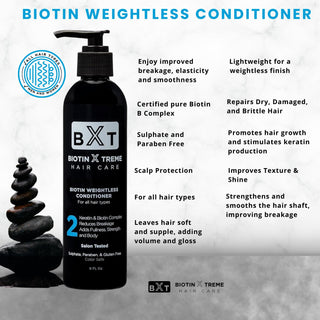
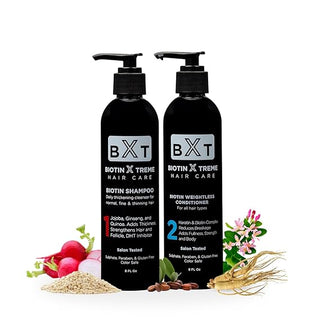
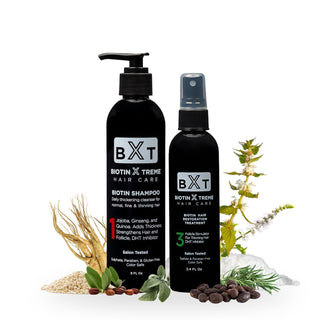
Start with your wash routine. Look for natural plant based shampoos and conditioners and hair restoration sprays that are specifically formulated for thinning or delicate hair. Products like Biotin Xtreme Hair Care avoid harsh sulfates that can strip your hair of its natural oils, leaving it dry and prone to damage. A good keratin conditioner is your best friend here; it helps to smooth the hair cuticle, reducing friction and making your hair less likely to snap. Moisture is key to keeping fragile strands from breaking.
Minimizing Breakage with Leave-In Treatments
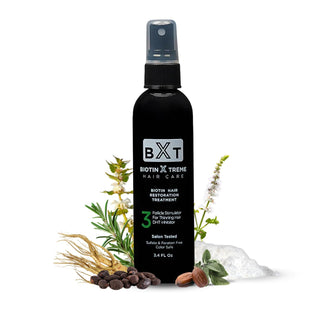
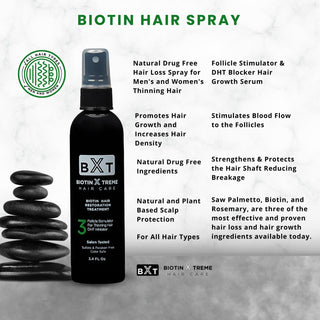
After washing and conditioning, consider a leave-in treatment. These products like Biotin Xtreme Biotin Hair Restoration Spray add an extra layer of protection and hydration. They can help detangle your hair more easily, which is important because tugging at knots can cause significant breakage. Look for formulas that also offer some volume-boosting properties, making your hair appear fuller right away. Applying these treatments to damp hair, focusing on the mid-lengths and ends, is usually the most effective approach.
Proper Drying Techniques
How you dry your hair matters a lot. Instead of rubbing vigorously with a regular towel, which can rough up the cuticle and cause frizz and breakage, try gently squeezing out excess water. A microfiber towel is a great option because it's much softer and absorbs water more efficiently, cutting down on drying time. If you must use a blow-dryer, always use the lowest heat setting and keep the dryer moving. Letting your hair air dry as much as possible is always the gentlest method.
Avoiding Damaging Chemical Treatments
Chemical processes like coloring, perming, and straightening can be really tough on thinning hair. If you choose to color your hair, opt for gentler formulas and consider doing it less frequently. For other chemical treatments, it's best to avoid them altogether if your hair is significantly thinning. If you do decide to proceed with any chemical service, make sure you go to a salon with professionals experienced in handling delicate hair. They can assess your hair's condition and use appropriate products to minimize damage. Remember to follow up with deep conditioning treatments to help restore moisture after any chemical process. It's also wise to limit the use of heated styling tools like curling irons and flat irons, saving them for special occasions only.
Nutritional Support for Hair Health
Sometimes, thinning hair can be a sign that your body isn't getting all the nutrients it needs. It's not just about what you put on your hair; what you eat plays a big role too. Think of it like feeding a plant – it needs the right soil and water to grow strong. Your hair is similar, needing good nutrition from the inside out.
Addressing Nutritional Deficiencies
It's easy to overlook how much our diet impacts our hair. If you're not getting enough of certain vitamins or minerals, your hair follicles might not be able to produce new hair as effectively. This can lead to hair that's thinner or falls out more easily. A simple blood test can help figure out if you're missing out on key nutrients like iron, zinc, or certain vitamins. If a deficiency is found, a doctor might suggest a multivitamin to help fill those gaps. However, it's important not to overdo it; too much of certain nutrients can actually cause more problems, including hair loss. Always chat with your doctor before starting any new supplements, especially if you're already eating a pretty balanced diet. You can find more information on how diet affects hair health on pages about hair loss.
The Importance of Biotin and B Vitamins
Biotin, also known as vitamin B7, is often talked about for hair health. It's found naturally in foods like nuts and lentils. While it's important for your body's processes, the evidence that taking extra biotin supplements can help to increase the hair growth rate. If you're eating a varied diet, you're probably getting enough. Other B vitamins, like folic acid, are also important for creating new cells, and a lack of them might be linked to some hair thinning. But again, the jury's still out on whether supplements make a big difference if you're not deficient.
Omega Fatty Acids for Scalp Health
Omega-3 and omega-6 fatty acids are called 'essential' because our bodies can't make them. Omega-3s are known for fighting inflammation, and since inflammation can sometimes be linked to hair loss, they might be helpful. You can find them in fish and some seeds. On the other hand, omega-6 fatty acids are good for skin health, which includes your scalp. While these fatty acids sound promising, it's worth noting that more research is needed, and some studies suggest that taking omega-3 supplements from fish oil might even be linked to certain types of hair loss. It's a bit of a mixed bag, so talking to a healthcare provider is a good idea before adding them to your routine.
Remember, supplements aren't a magic bullet. They work best when they're filling a specific nutritional gap. Focusing on a balanced diet with plenty of fruits, vegetables, lean proteins, and healthy fats is the best first step for overall hair health.
Medical Treatments for Hair Loss
When you're dealing with thinning hair, sometimes you need to bring out the big guns. Medical treatments can be really effective, but it's important to know what's out there and what might be right for you. It's not a one-size-fits-all situation, and what works for one person might not do much for another. Always chat with your doctor or a dermatologist before starting anything new, especially if you're pregnant or have other health concerns.
Prescription Medications for Hormonal Imbalances
Sometimes, hair thinning is linked to hormonal changes. For instance, conditions like Polycystic Ovary Syndrome (PCOS) or changes during menopause can affect your hair. In these cases, doctors might prescribe medications to help balance things out. Drugs like spironolactone or finasteride (though finasteride is typically prescribed for men, it can sometimes be used off-label for women under strict medical supervision) work by blocking certain hormones that can shrink hair follicles. These are prescription-only, and your doctor will monitor you closely for any side effects, which can sometimes include changes in mood or menstrual cycles. It's a more targeted approach for specific types of hair loss.
Corticosteroids for Inflammatory Conditions
If your hair loss is due to inflammation, like in certain autoimmune conditions such as alopecia areata, corticosteroids might be an option. These medications work by calming down the immune system's attack on your hair follicles. They can be given in a few ways: as a topical cream or lotion applied to the scalp, or sometimes as injections directly into the affected areas. The goal is to reduce inflammation and give your hair follicles a chance to recover and start growing again. This is usually managed by a dermatologist who can determine the right dosage and method of application based on the severity of the condition. It's a way to address the root cause when inflammation is the culprit.
Therapeutic Approaches to Stimulate Hair Growth
Sometimes, you need to give your hair a little extra nudge to get it growing strong again. There are a few ways to try and encourage your hair follicles to get back to work, and they range from simple at-home practices to more involved medical treatments. It's not always about stopping loss; sometimes, it's about actively trying to grow more. Natural plant based ingredients that contain Saw Palmetto are proven effective to improve hair density and hair growth.
Scalp Massage Techniques
Giving your scalp a good massage might sound simple, but it can actually help. The idea is that by increasing blood flow to the scalp, you're delivering more nutrients and oxygen to the hair follicles. This can potentially wake them up and encourage growth. You can do this with your fingertips, using gentle, circular motions. Some people like to use a bit of oil, like jojoba or coconut oil, to make it smoother and add some moisture.
- Frequency: Aim for a few minutes each day, or at least a few times a week.
- Pressure: Be gentle; you don't want to pull or tug at your hair.
- Tools: You can use your fingers or a dedicated scalp massager.
Essential Oils for Hair Health
Certain essential oils have been talked about for their potential to help with hair growth. Think of things like rosemary oil, peppermint oil, or lavender oil. Rosemary oil, in particular, has been studied and shown some promise, with some research suggesting it might be as effective as minoxidil for some people. Peppermint oil can create a tingling sensation, which is thought to increase circulation. Lavender oil is known for its calming properties and might also help with scalp health.
Always remember to dilute essential oils with a carrier oil, like coconut or almond oil, before applying them to your scalp. It's also a good idea to do a small patch test on your skin first to make sure you don't have a reaction.
Platelet-Rich Plasma (PRP) Injections
This is a bit more of a medical approach. With PRP therapy, your own blood is drawn, processed to concentrate the platelets, and then injected back into your scalp. The platelets contain growth factors that are believed to help stimulate hair follicles. It's a treatment that's gaining traction, though the exact science behind why it works so well is still being explored. It usually involves a series of treatments over a few months.
Low-Level Laser Therapy
Low-level laser therapy, often called LLLT, uses specific wavelengths of light to stimulate hair follicles. You can find devices for home use, like combs or helmets, or get treatments done at a clinic. The light is thought to energize the cells in the follicles, encouraging them to grow hair. It can take several months of consistent use to see results, and it's important to choose FDA-cleared devices if you're going the at-home route.
Lifestyle Adjustments for Hair Retention
Making changes to your daily habits can really make a difference when it comes to keeping your hair healthy and reducing thinning. It's not just about the products you use; what you do day-to-day matters a lot. Focusing on stress management and a balanced diet are key players here.
Stress Management Techniques
Life throws a lot at us, and stress can really take a toll, sometimes showing up as hair thinning. Finding ways to chill out is super important. Think about trying things like deep breathing exercises, meditation, or even just taking a few minutes each day to do something you enjoy. Regular physical activity is also a great stress buster. Even a brisk walk can help clear your head and reduce those stress hormones that might be affecting your hair. Remember, it's about finding what works for you to unwind.
The Impact of Smoking on Hair Health
If you're a smoker, quitting could be one of the best things you do for your hair, and your overall health. Smoking can mess with blood circulation, including to your scalp, which means less good stuff gets to your hair follicles. It also causes inflammation throughout the body, and that can make hair loss worse. It might seem tough, but cutting back or quitting can have a positive effect on your hair's thickness and growth over time. You can find resources to help you quit if you're ready to take that step.
Dietary Considerations for Hair Growth
What you eat directly impacts your hair. Making sure you're getting enough of the right nutrients is vital. This means focusing on a balanced diet that includes plenty of fruits, vegetables, lean proteins, and healthy fats. Sometimes, deficiencies in things like iron or certain vitamins can lead to hair thinning. It's a good idea to talk to your doctor or a dietitian if you're concerned about your diet. They can help you figure out if you're missing anything important and suggest ways to adjust your meals. Eating well is a big part of supporting healthy hair growth.
Small, consistent changes in your lifestyle can lead to noticeable improvements in hair health. Don't underestimate the power of managing stress, avoiding smoking, and eating a nutrient-rich diet. These habits work together to create a better environment for your hair to thrive.
Cosmetic Solutions for Thinning Hair
Dealing with noticeable hair thinning can feel overwhelming. Sometimes, even after trying to reduce thinning hair naturally women still find they want fuller-looking hair, faster. That's totally normal. Cosmetic options can give instant results or more permanent changes, depending on what you’re comfortable with.
Hair Transplantation Procedures
Hair transplantation works by moving tiny groups of hair from areas where hair is still dense (like the back of your scalp) to where it's thinner.
- This is a surgical option best for women who have more defined, smaller patches of thinning, not all-over scalp thinning.
- There’s a recovery period afterward—it’s not an instant fix.
- These procedures can get expensive, sometimes costing thousands, and insurance usually doesn’t cover them.
Here's a quick breakdown of what you might expect:
|
Feature |
Hair Transplantation |
|
Invasiveness |
Surgical procedure |
|
Time to Results |
Several months for new hair to grow |
|
Suitability |
Patchy, not diffuse, hair loss |
|
Cost |
$$$--$$$$$ |
|
Recovery |
Several days to weeks |
While hair transplants aren’t for everyone, when done by a skilled professional, they can offer results that look and feel real, blending well with your natural hair.
Wigs and Hairpieces
Wigs, toppers, and extensions offer a non-surgical way to get fuller-looking hair right away. There’s a huge variety now, from budget-friendly synthetic wigs to custom, real-hair pieces that blend right in.
- No surgery or recovery—just put it on and go.
- Plenty of options for color, length, and style, so you can update your look whenever you want.
- Some pieces are made specifically for thinning at the crown, while others can cover more widespread hair loss.
To get the most natural look:
- Get the right fit measured. Comfortable wigs are easier to wear every day.
- Look for lace fronts or monofilament bases—they mimic a real scalp.
- Choose a style and color close to your natural hair for the best blend. Or try something totally new—why not?
If you’re exploring non-medical options, there are many product choices at Sephora made for thinning hair, including concealers and instant thickeners.
Finding your best cosmetic solution might take a little trial and error. Personal comfort, budget, and your goals all matter when considering what works. There's no shame in wanting to look and feel your best.
Wrapping Up Your Hair Health Journey
So, dealing with thinning hair can feel like a lot, right? We’ve gone over a bunch of things, from seeing a doctor to simple changes you can make at home. Remember, finding out why your hair is thinning is the first big step. Whether it’s stress, something you’re eating, or just genetics, knowing the cause helps a ton. Don’t be afraid to try gentle hair care, maybe look into some of those over-the-counter options, or even talk to your doctor about prescription stuff if needed. It’s all about finding what works for you and being patient. Your hair health is a journey, and taking these steps is a great way to start feeling more confident.
Frequently Asked Questions
Why is my hair thinning?
Hair thinning in women can happen for many reasons. Sometimes it's due to things like stress, changes in hormones (like after having a baby or during menopause), or not getting enough important nutrients. Other times, it could be from medical conditions, genetics, or even how you style your hair. It's a good idea to see a doctor to figure out the exact cause for you.
Can I treat thinning hair at home?
Yes, there are several things you can try at home! Being gentle with your hair is key, so use mild shampoos and conditioners. Massaging your scalp can help with blood flow. Eating a healthy diet and managing stress are also important. Some people find certain oils or gentle hair care products helpful, Natural Plant Based Biotin Xtreme Hair Cares product line are worth checking out due to the impact these products have shown for women’s hair loss.
What are the best hair care tips for thinning hair?
When washing your hair, be super gentle! Use a shampoo that doesn't strip away too much moisture and always follow up with a conditioner to help prevent breakage. After washing, pat your hair dry with a soft towel instead of rubbing it hard. Try to avoid heat styling tools and chemical treatments like perms or dyes, as these can make thinning hair even more fragile.
Does diet play a role in hair thinning?
Absolutely! Your hair needs good nutrition to grow strong and healthy. Making sure you get enough vitamins and minerals, like iron, zinc, and B vitamins, is really important. If you're not eating a balanced diet, a doctor might suggest supplements. Eating foods rich in omega-3 fatty acids can also be good for your scalp health.
Are there medical treatments for thinning hair?
Yes, there are. A doctor might suggest treatments like minoxidil (often known as Rogaine), which you can apply to your scalp. If hormonal issues are the cause, they might prescribe medications to help balance them. For thinning hair caused by inflammation or certain medical conditions, treatments like corticosteroid creams or injections could be used.
How can I make my hair look thicker?
While you're working on the health of your hair, there are ways to make it appear fuller. Using volumizing shampoos and conditioners can give your hair a thicker look. Some styling products are designed to add body. In some cases, cosmetic options like hair extensions or specialized wigs can also be very effective.