With the increasing usage of GLP-1 receptor agonists, semaglutide (Ozempic, Wegovy) and liraglutide, in the management of type 2 diabetes and weight loss, concerns about the side effects have increased. A major complaint that several individuals have is related to hair thinning or shedding since they were introduced to these medicines. Can weight loss medication cause hair loss? The response is: sometimes, but indirectly, and the action by which it does it is often not a drug acting upon hair follicles directly.
This post elaborates on the state of knowledge about the Effects of GLP‐1 Receptor Agonists on Hair Loss, the causes of its occurrence, ways to assess it, and effective measures of treatment and prevention.
GLP -1 Receptor Agonist Effect on Hair Loss
GLP -1 receptor agonists are a type of medication that enhances blood sugar regulation and reduces appetite. It commonly leads to considerable weight loss. Even though it has been reported in clinical trials and post-marketing reports, a few patients have experienced shedding hair following the use of GLP-1 drugs. Nonetheless, there is no evidence to date that supports a direct, obvious toxic impact of GLP -1 receptor agonists on human hair follicles in the vast majority of individuals.
There are a number of patterns observed instead:
Telogen effluvium: More hair follicles can be forced into the telogen (resting) phase by rapid loss of weight, metabolic stress, acute illness, or significant physiological change. Two to three months afterward, hair loss occur. Due to the tendencies of GLP-1 drugs to induce massive and relatively rapid weight reduction, telogen effluvium is a probable and common cause of post-drug hair loss.
Nutritional deficiencies: Due to weight loss, there may be a significant calorie restriction, or movement of nutrients through the diet, and therefore inadequate intake or absorption of nutrients needed to grow hair (iron, zinc, protein, vitamin D, B12, biotin). Lack of this can aggravate or cause hair shedding.
Drug-related immune or idiosyncratic reactions: Though less frequent, a few individuals can experience a reaction to a drug that affects the hair. There are occasional case reports and adverse event reports that have implicated GLP-1s as the cause of alopecia in a few individuals, while causation is not well determined and can be confused with other causes.
Effects of hormonal variations or thyroid: Any treatment that affects weight, metabolism, or stress hormones can alter the hormonal situation and indirectly affect the hair cycle.
Concisely, we can provide a qualified yes to most of the queries asked as to whether weight loss medication can result in hair loss. However, the answer is more frequently associated with the weight loss process itself or stress factors related to it, and not the medication itself and its unique hair-toxic side effects.
The Secret of Trying to Find out What Makes Your Hair Fall
In case of more shedding during the use of a GLP-1 drug, consider the following hints:
Timing: Telogen effluvium normally commences 2-3 months subsequent to the cause (rapid weight loss, extreme calorie restriction, a high fever, surgery, or initiation of a drug). The short-term shedding is less likely to be drug-specific.
Pattern: Scalp diffuse shedding is an indication of telogen effluvium. Scarring alopecia or patchy loss are symptoms that indicate another underlying cause, such as alopecia areata.
Symptoms linked to it: Fatigue, brittle nails, or other change of the whole body may indicate either nutritional deficiency or thyroid disease.
Medication history: If symptoms have emerged recently along with the initiation of treatment and the other reasons have been eliminated, the medication may be a contributing factor.
Treatment of GLP -1-based drugs (Ozempic) induced hair loss
When you are asking, “How to Treat Hair Loss From GLP-1 Drugs Like Ozempic,” here are the practical recommendations that are evidence-based that you and your care team can adopt:
Talk to your prescriber
Never discontinue the medication without consulting the clinician who prescribed the drug. The timing and severity can be determined with the help of your prescriber, and an alternative strategy may be justified or not.
Get a medical evaluation
Simple examinations usually comprise CBC and ferritin (iron stores), thyroid-stimulating hormone (TSH), vitamin D, vitamin B12, and occasionally zinc. These assist in treatment of the causes that are treatable.
Correct nutritional deficiencies
In case of iron and vitamin D deficiency or any other deficiency, these may be treated to enhance the growth of hair.
- Take enough protein - hair consists of keratin, a protein, and insufficient protein may aggravate shedding.
- Supplements (including vitamin B 1) in high doses should not be used unless the deficiency is diagnosed, and even then, they may not be beneficial.
Adjust the amount of weight-loss
Sudden weight loss is a risk factor of telogen effluvium. When possible and clinically safe, the rate of weight loss can be slowed down to decrease the continuation of hair shedding. In the attempt to lose weight, consult a dietitian to have a balanced diet.
Natural hair treatments
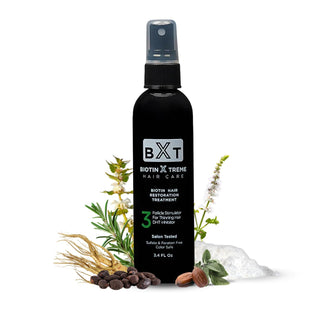
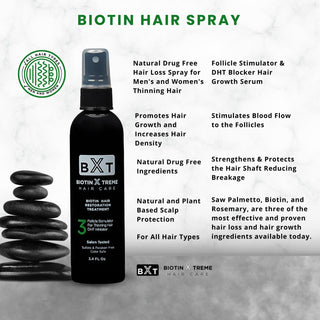
Natural plant-based hair growth serums like Biotin Xtreme Biotin Hair Restoration Spray is safe to use when taking GLP-1 and can actually improve hair loss and thinning.
Light hair care- do not use harsh treatment in chemicals, hairstyles, and a lot of heat.
Consider a dermatology referral
In case of severe loss, continuous after 6 months, or with a pattern indicating another diagnosis (patchy loss, scarring), scalp biopsy, more advanced tests, and treatment options depending on the cause (corticosteroids in the case of autoimmune loss, platelet-rich plasma, PRP, where applicable) may be prescribed by a dermatologist.
Review drug prescriptions on a case-by-case basis.
Should a temporal correlation be found, and all other possibilities eliminated, your clinician might wish to change treatments. It is important to remember that the termination of an effective medicine without a clear rationale may be harmful to the health objectives.
Prevention and practical tips
- The goal will be gradual and sustainable weight loss as opposed to excessive calorie deficiencies.
- Eat enough protein and foods rich in micronutrients.
- Make the habit of frequent monitoring of labs in case you are on a strict diet or have any hair changes.
- Stress management- psychological stress as well as physiological stress (thru disease or extreme diets) may be causative factors of telogen effluvium.
- Expect a lot: telogen effluvium is reversible, and the process of regrowth may take a few months.
What the research says
The existing facts are changing. Cases of alopecia and hair loss have been reported in clinical trials and pharmacovigilance reports in relation to GLP-1 receptor agonists, but these are rare and inexplicable. The majority of the expert commentary raises the suggestion of telogen effluvium due to rapid reduction of weight and nutrition as opposed to a direct cytotoxic action on hair follicles.
Conclusion
Can weight loss medication cause hair loss? Yes — but usually indirectly. GLP 1 receptor agonists, like Ozempic, semaglutide, or liraglutide preparations, have most frequently been attributed to telogen effluvium due to rapid weight loss, nutritional, or stress-induced changes. Alopecia due to a direct drug is less frequent and not sufficiently established, but case reports are present. In case hair loss occurs in response to taking a GLP-1 drug, discuss it with your prescribing doctor, perform routine blood tests, improve nutrition, and refer to a dermatologist, in case of the issue. The best prevention for hair loss during GLP-1 use is the use of Biotin Xtreme Hair Care’s line of hair loss and hair growth products. Using ingredients proven effective in the prevention of hair loss and thinning hair. Buy online at www.biotinxtreme.com