If you have ever run out of shaving cream mid-shower, you have probably wondered whether that bottle of conditioner sitting on the shelf could save the day. The short answer is yes-and it might even leave your skin feeling better than your usual foam.
Key Takeaways
- Hair conditioner can be used as a shaving cream alternative for most body areas. It lubricates skin, softens hair, and helps you get a smoother shave with less irritation.
- Using conditioner to shave can reduce razor burn and razor bumps by adding slip, but formulas loaded with heavy oils or strong fragrance may irritate sensitive skin or clog your razor.
- Regular shaving cream still has advantages-less clogging, better visibility-so conditioner is best thought of as a smart substitute or an upgrade for dry or sensitive skin, not a requirement for everyone.
- For a clean shave with conditioner, apply a thin layer, let it sit briefly, rinse the blade often, and remove all residue afterward.
Can You Use Conditioner as Shaving Cream? The Short Answer
Yes, you can absolutely use hair conditioner as a shaving cream substitute. Because hair conditioners are specially formulated to hydrate, soften hair, and provide a slick barrier, they allow your razor to glide smoothly across your skin for a close, comfortable shave. Whether you have unexpectedly run out of your regular shaving cream or want a deeply moisturizing, skin-safe alternative, grabbing a bottle of rinse-out conditioner is an excellent, quick-fix solution.
Why Conditioner Works as a Shaving Cream Substitute
Modern conditioners are engineered to coat, soften, and detangle hair fibers-which happens to be exactly what you want before you run a razor blade across stubble.
Conditioner softens hair shafts, including coarse facial and body hair, so the blade cuts cleanly instead of tugging. That reduction in friction is why using conditioner can reduce skin irritation while shaving and helps prevent razor bumps. The American Academy of Dermatology recommends softening hair with warm water and a lubricant before every shave, and conditioner checks that box.
Conditioner moisturizes skin better than traditional shaving cream because many foams contain alcohols and propellants that strip moisture. A good conditioner behaves more like a lotion, and conditioner provides better moisture than traditional shaving cream, leaving your skin feeling soft rather than tight. Conditioner provides a smoother shave without irritation for most people, which is why natural products and plant-based formulas without formaldehyde donors or hard surfactants are increasingly popular.
There is a real-life angle worth noting: red, irritated skin or visible cuts on the face and neck sometimes get captured in jail booking photos in Ohio and become part of the case file. Minimizing irritation is an underappreciated benefit if you ever find yourself in that situation.
The Skin & Health Benefits of Shaving with Conditioner
Your skin is your body’s largest organ, meaning the products you apply to it can easily penetrate beneath the surface. Unfortunately, many traditional shaving creams are formulated with harsh chemicals—including formaldehyde, xylene, and butane—which can dry out your skin, cause irritation, and negatively impact the environment.
Switching to a plant-based, natural product like a biotin and keratin conditioner offers a much healthier, toxin-free alternative. Because conditioners are designed to penetrate and hydrate, they act much like a rich moisturizing cream. Using conditioner leaves your skin feeling significantly softer, slicker, and more hydrated than a standard shaving foam ever could.
Face vs. Body: Can You Use Conditioner on Both?
While hair conditioner is a fantastic substitute for shaving facial stubble, its benefits extend far beyond face grooming.
- For the Face: Men’s facial hair is typically coarser than body hair. Conditioner is excellent here because it softens the tough keratin proteins in facial hair, making it much easier for the razor to glide through without causing razor burn.
- For the Body (Legs, Underarms, & Bikini Line): Conditioner is incredibly popular for shaving legs and underarms. Since these are larger surface areas prone to dryness, the moisturizing properties of conditioner help prevent the post-shave "ashy" look. However, exercise caution around the sensitive bikini line. Standard hair conditioners often contain heavy fragrances that can disrupt your natural pH or irritate highly sensitive areas. If you use it there, stick to a fragrance-free, natural rinse-out formula.
Comparison: Shaving Cream vs. Hair Conditioner
This quick-reference table breaks down how standard shaving cream stacks up against your everyday hair conditioner.
|
Feature |
Shaving Cream |
Hair Conditioner |
Winner |
|
Razor Glide |
Excellent. Designed specifically to create a thick, airy buffer. |
Great. Offers a super-slick surface that minimizes friction. |
Tie |
|
Moisture & Hydration |
Moderate. Many contain alcohols that can dry out the skin. |
Superior. Deeply hydrates skin and softens hair. |
Hair Conditioner |
|
Razor Clogging |
Low. Easily dissolves and rinses clean with water. |
High. Thicker consistency can easily build up between blades. |
Shaving Cream |
|
Visibility |
High. Foamy lather shows exactly where you’ve already shaved. |
Low. Appears translucent on the skin, requiring more attention. |
Shaving Cream |
|
Skin Health |
Variable. Often contains synthetic gases, propellants, and toxins. |
Excellent. High-quality, plant-based formulas are skin-safe. |
Hair Conditioner |
How to Shave with Conditioner (Step-by-Step)
If you are out of shaving cream, your hair conditioner is the perfect bathroom cupboard staple to save the day. Follow these simple steps for a flawless, clean shave:
- Wet the Area: Prep your skin with warm water to open up the pores and soften the hair.
- Apply the Conditioner: Slather a thin, even layer of your rinse-out conditioner directly onto your stubble or hair.
- Let it Sit: Wait for about half a minute. This brief pause allows the conditioner to actively hydrate and soften the hair, making it far easier for the razor to cut through.
- Shave and Rinse Frequently: Glide your razor smoothly over the contours of your skin. Because conditioner is thicker than shaving foam, make sure to rinse your razor blades frequently between strokes to prevent clogging.
- Cleanse Thoroughly: Once finished, rinse your skin completely with water to remove any remaining residue and prevent potential stickiness.
The Secret to Shaving with Conditioner Without Clogging Your Razor
Because hair conditioners are formulated to coat and penetrate hair fibers, they are much thicker and more lipid-heavy than aerated shaving foams. This means they will inevitably cling to your razor blades.
To prevent your razor from clogging and pulling at your skin, use these three simple maintenance hacks:
- The Backwards Tap: Do not just rinse your razor under a running tap. Run the razor backwards under a stream of hot water. This forces the water through the back of the cartridge, flushing out the thick conditioner and trapped hair.
- Keep a Mug of Hot Water Nearby: If you are shaving your legs or a full beard, fill a mug or the sink with hot water. Swish the razor vigorously in the water after every single stroke to keep the blades clear.
- Use Fewer Blades: Multi-blade razors (like 4- or 5-blade cartridges) have incredibly tight spaces where thick conditioner easily gets trapped. If you frequently use conditioner to shave, switching to a double-edge safety razor or a 2-blade razor will make rinsing much easier.
When Conditioner Isn't Enough: Skin Irritation, Safety, and Bigger Picture Self-Care
Conditioner can help, but it is not magic. Conditioner may cause skin irritation for some users due to added fragrances and oils-watch for persistent redness, stinging that lasts more than a few minutes, clusters of ingrown hairs, or acne-like reactions after each shave. Those are signals to save yourself the trouble and switch products.
Look for simpler formulas: fewer synthetic fragrances, no obvious formaldehyde-releasing preservatives, and a focus on hydration over heavy silicones. Natural products like olive oil can also substitute for shaving cream in a pinch if your conditioner keeps causing problems.
If you develop painful razor burn or an infected ingrown hair, stop shaving the area, apply a cool compress, and see a healthcare professional if there is significant swelling or pus.
About Biotin Xtreme Hair Care
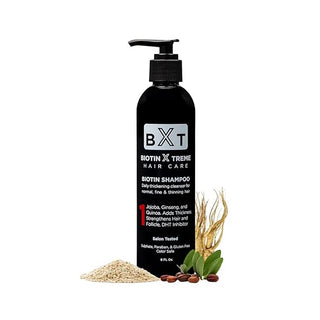
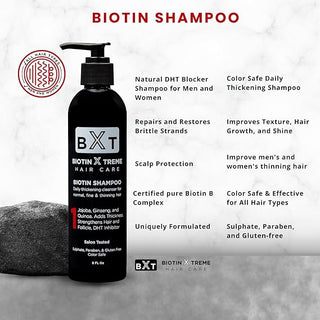
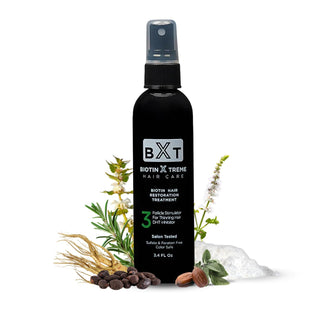
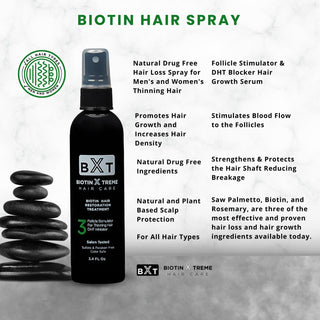
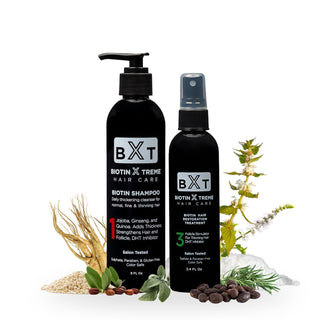
At Biotin Xtreme Hair Care (BXT), we offer natural, biotin-based hair care products focused on preventing hair loss, restoring natural volume, and promoting healthy growth. Our line of biotin-formulated, drug-free shampoos and conditioners is completely natural, free of side effects, and highly effective.
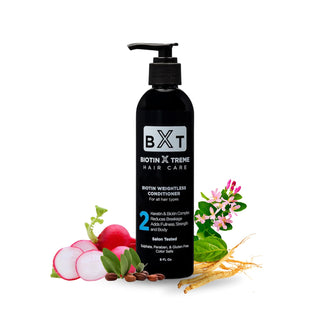
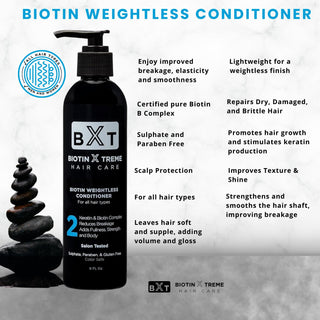
Our Biotin and Keratin Conditioner is a plant-based, chemical-free option that is perfect for double-duty tasks like shaving, offering incredible razor glide while keeping your skin free from harmful chemical residuals.
Frequently Asked Questions (FAQs)
-
Q: Can I use any hair conditioner for shaving?
A: While most rinse-out conditioners can work, it's best to avoid leave-in conditioners or those with heavy oils or silicones, as they might clog your razor or leave residue. Opt for a plant-based, natural conditioner like Biotin Xtreme's biotin and keratin conditioner for the best results and to avoid harsh chemicals. -
Q: Is shaving with conditioner better than shaving cream?
A: Shaving with conditioner can be a healthier alternative, as many shaving creams contain harsh chemicals. Conditioners can hydrate and soften hair, making for an easier glide and leaving your skin feeling softer. However, some conditioners might clog your razor more easily, so frequent rinsing is recommended. -
Q: Will conditioner irritate my skin when used for shaving?
A: Some conditioners contain fragrances or ingredients that might irritate sensitive skin. It's always a good idea to do a patch test on a small area of your skin before applying it all over. Choosing a natural, plant-based conditioner can help minimize the risk of irritation. -
Q: How long should I leave the conditioner on before shaving?
A: It's recommended to let the conditioner sit on your stubbles for about half a minute. This allows the conditioner to soften the hair, making it easier for the razor to glide and providing a clean shave.