Medically informed and updated: September 2026.
Can grey hair turn black again naturally? Sometimes, but not reliably. A small number of studies have documented repigmentation in individual hairs, particularly in connection with changes in stress. However, most age-related or genetically determined grey hair does not return to its original color naturally.
The distinction matters more than most articles on this topic let on, so here's the short version before we go deeper: your hair gets its color from melanin, made by cells called melanocytes inside each follicle. When those cells are simply inactive — often due to stress or a nutrient gap — pigment can come back. When those cells are permanently depleted, which is what happens with normal aging, the follicle cannot make pigment again on its own.
A 2021 study from Columbia University, published in eLife, gave the first quantitative evidence that this kind of stress-related greying and reversal genuinely happens in humans — not just as scattered anecdotes. Senior author Dr. Martin Picard and his team documented individual hairs shifting from grey back to pigmented as participants' stress levels dropped, in some cases within weeks. You can read Columbia's own summary of the findings here.
Quick Answer:
|
Question |
Answer |
|
Can grey hair turn black again naturally? |
Sometimes, but not reliably. Individual hairs may regain pigment in certain circumstances. |
|
Can white hair turn black naturally? |
Occasionally, but most age-related white hair does not regain its original color. |
|
Can grey hair be reversed to black? |
There is no proven treatment that reliably reverses age-related or genetically determined greying. |
|
Can stress cause grey hair to turn black again? |
Research has documented repigmentation associated with changes in stress, but this is not a guaranteed treatment. |
|
Can supplements reverse grey hair? |
They may help correct a documented deficiency, but they are not proven to restore age-related pigment. |
Key Takeaways
- Age-related and genetic grey hair cannot usually be reversed naturally. Once a follicle's melanocyte stem cells are fully depleted, that follicle permanently loses its ability to produce pigment.
- Grey hair turning black again naturally is documented in the scientific literature, most notably in the 2021 Columbia University eLife study on stress and hair pigmentation, but it is not guaranteed and tends to be gradual.
- If you're asking "can white hair turn black again," the honest answer depends entirely on why it turned white in the first place — not on any product or remedy applied afterward.
- Natural remedies and supplements support overall hair and scalp health, but they are not guaranteed cures for grey hair and work best when correcting a documented deficiency.
- This article also covers when to see a dermatologist, how hair dye compares to natural approaches, and how to set realistic expectations at various ages.
The Core Science: How Grey Hair Turning Black Again Actually Works
Understanding grey hair turning black naturally begins with follicle biology, not folklore. Hair color comes from melanin, produced by melanocytes inside each hair follicle. Over time, melanocytes and the stem cells that replenish them decline — a process driven largely by genetics. Most people notice their first grey or white strands in their 30s or 40s, though the timeline varies across ethnicities and family lines.
Once a follicle fully stops producing melanin due to aging, current science does not offer a reliable way to restore its original color naturally. For those follicles specifically, the process is a one-way road.
The Role of Oxidative Stress
One key mechanism worth understanding: hair follicles naturally produce hydrogen peroxide as a metabolic byproduct. The enzyme catalase normally breaks it down. As we age, catalase levels drop, hydrogen peroxide accumulates, and it effectively bleaches melanin from the inside out.
When Can Grey Hair Be Reversed to Black? What the Research Shows
The idea that grey hair can be reversed to black is not entirely folklore, though researchers have only documented it on a small, isolated scale.
In 1972, a case study described a man whose hair strands were white at the tips but darker at the roots — a reversal in the normal greying process, which begins at the root. That report remained a curiosity for decades. Then, in 2021, the eLife study cited above gave the first rigorous, quantitative confirmation: among 14 participants, individual hairs were tracked reverting from grey to pigmented in sync with drops in self-reported stress, in one case within days of a stress-relieving vacation.
What Recent Research Says
Melanocyte stem cells play the central role in whether grey hair can regain color. When these stem cells remain healthy but become temporarily inactive — due to stress or certain nutritional deficiencies — partial repigmentation may be possible after the underlying cause is addressed. Once these cells are permanently depleted through aging, natural pigment restoration becomes unlikely.
Although scientists continue to investigate therapies targeting melanocyte stem cells and oxidative stress, there is currently no clinically proven treatment that permanently reverses age-related or genetically determined grey hair.
Key Scientific References
- Rosenberg et al. (2021), eLife — Columbia University's landmark, quantitative study showing individual human hairs reverting from grey to pigmented in sync with reduced psychological stress. Read the plain-language summary from Columbia University Irving Medical Center.
- Zhang et al. (2020), Nature — Demonstrated that acute stress can trigger depletion of melanocyte stem cells via the sympathetic nervous system.
- Sikkink et al. (2020), Scientific Reports — Identified molecular pathways linking oxidative stress to pigment loss.
- Liu & Du (2023), Journal of Cosmetic Dermatology — Reviewed evidence confirming melanocyte stem cells' central role, with age-related depletion as the primary cause of permanent grey hair.
Grey Hair Turning Black Again: Why It Sometimes Happens Spontaneously
Sometimes people notice grey hair turning black again without actively trying to change it. This usually happens when a hidden underlying issue resolves on its own — recovering from an illness you didn't know you had, a sudden drop in cortisol, or accidentally correcting a nutritional deficiency through a change in diet can all prompt resting follicles to restart melanin production.
Common Causes of Premature Grey Hair
When grey hair appears earlier than expected, it may be linked to underlying lifestyle, nutritional, or medical factors. Identifying and addressing these may help support the return of natural pigment where follicles haven't permanently lost their pigment-producing cells.
Chronic Stress and Oxidative Stress
Long-term stress can increase oxidative stress, which may affect melanocyte stem cells. Per the Columbia eLife study above, stress-related greying can partially reverse after stress is reduced — but this appears to occur only in specific cases and is not guaranteed for everyone.
Nutritional Deficiencies
Low levels of vitamin B12, iron, copper, folate, zinc, or vitamin D can contribute to premature greying in some individuals. Correcting these deficiencies through diet or medical treatment may occasionally restore pigmentation when nutrient deficiency is the underlying cause.
Smoking
Smoking exposes the body to free radicals that increase oxidative stress and may accelerate the aging of hair follicles.
Thyroid Disorders
Both hypothyroidism and hyperthyroidism can affect hair growth and pigmentation. If premature greying is accompanied by fatigue, unexplained weight changes, or hair thinning, a medical evaluation for thyroid function may be appropriate.
Autoimmune Conditions
Certain autoimmune disorders, such as vitiligo and alopecia areata, can affect pigment-producing cells. In some cases, treating the underlying condition may allow partial repigmentation, though outcomes vary depending on the extent of melanocyte damage.
Genetics and Family History
Family history plays a major role in determining when hair begins to grey. If premature greying runs in your family, lifestyle changes may support overall hair health but are unlikely to prevent or reverse genetically programmed pigment loss.
Nutrition, Supplements, and Supporting Hair Pigmentation
Hair grows at roughly 1 to 1.5 centimeters per month, so any dietary change takes several months before new growth at the roots reflects improved pigment.
| Nutrient | Role in Hair Health | Food Sources |
|---|---|---|
| Vitamin B12 | Supports melanocyte function | Eggs, fish, dairy, fortified cereals |
| Vitamin D3 | Immune and follicle regulation | Sunlight, fatty fish, fortified milk |
| Iron (ferritin) | Oxygen delivery to tissues and follicles | Spinach, red meat, lentils |
| Copper | Essential cofactor for tyrosinase (melanin enzyme) | Nuts, seeds, shellfish |
| Zinc | Supports cell division and repair | Legumes, whole grains, seafood |
| Folate | DNA synthesis for growing cells | Leafy greens, citrus fruits |
| Biotin (B7) | Structural keratin production | Eggs, nuts, sweet potatoes |
Dietary supplements may help reverse grey hair if a deficiency exists, but supplementing when you are not deficient carries risks like toxicity from excess iron or copper. Ask your healthcare provider for blood work before starting any high-dose regimen.
A gentle, sulfate-free hair care routine may help maintain a healthier scalp environment while you address the underlying cause — see our guide on what a healthy scalp actually looks like.
Natural Remedies: Grey Hair Turning Black Naturally at Home
Most natural remedies are supported by traditional use or limited lab research rather than large human clinical trials. If your greying is caused by a nutritional deficiency, lifestyle stress, or an underlying medical issue, correcting that specific trigger — not the topical remedy alone — is what drives grey hair turning black again naturally:
- Amla (Indian Gooseberry): Packed with Vitamin C and antioxidants, regarded for supporting melanocyte activity.
- Curry Leaves: Rich in beta-carotene; traditionally boiled in coconut oil to nourish the scalp.
- Onion Juice: Naturally rich in catalase, the enzyme that breaks down the hydrogen peroxide buildup discussed earlier.
- Coconut Oil & Lemon Juice: Provides deep moisture while protecting follicles from buildup.
- Natural Color Rinses: Black tea, coffee, henna, or hibiscus can darken existing strands cosmetically without salon chemicals.
These can reduce dryness and breakage, making existing hair look healthier, but they do not restart melanin production in a permanently depleted follicle. Patch-test any new topical remedy and consult a dermatologist if you have scalp conditions or sensitivities.
Hair Dye vs. Natural Approaches: Managing Expectations
When grey hair is primarily genetic or age-related, hair dye remains the most predictable way to darken hair. It works externally, without changing the follicle's biology.
| Method | Covers Grey Hair | Restores Pigment | Evidence |
|---|---|---|---|
| Hair dye | ✅ | ❌ | High |
| Correct deficiency | Sometimes | Sometimes | Moderate |
| Stress reduction | Sometimes | Limited | Emerging (eLife, 2021) |
| Onion juice | No proof | No | Low |
| Amla | Limited | Limited | Low |
A practical course of action is to blend strategies: use gentle dyes or henna for cosmetic coverage while improving diet, managing stress, and checking for underlying health conditions. The cosmetic fix handles what you see in the mirror each morning; lifestyle changes address what's happening inside the follicle.
Daily Routine for Healthy Hair Pigmentation
No daily routine can guarantee that grey hair will turn black again, but healthy habits support follicle function and help address reversible causes.
Morning: Nourish From Within
A balanced breakfast rich in protein, iron, B12, zinc, and copper supports normal pigment production. Consult a healthcare professional before taking supplements if you suspect a deficiency.
Throughout the Day: Hydration and Stress Management
Drink enough water and practice stress-management techniques like exercise, meditation, or yoga. Given what the Columbia eLife study found about stress and reversal, this is one of the few levers genuinely worth prioritizing.
Hair Care Routine
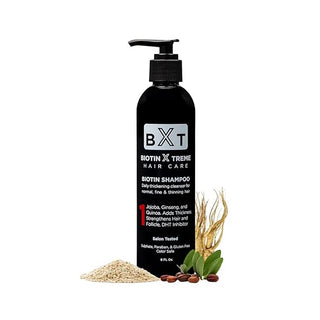
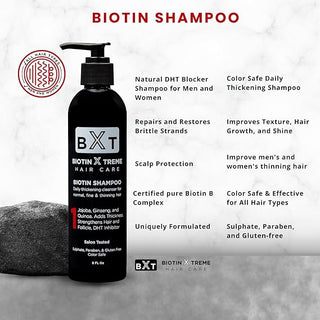
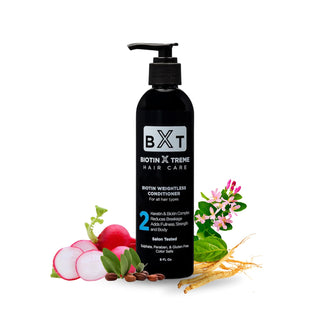
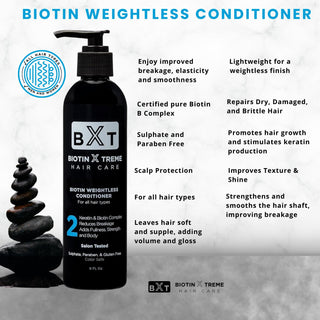
Use a gentle, sulfate-free biotin shampoo and conditioner suited to your hair type. Avoid excessive heat styling and harsh chemical treatments, which can damage the hair shaft and scalp. Hair care products improve hair quality and reduce breakage, but they cannot restore pigment lost to aging or genetics on their own.
Healthy Lifestyle Habits
Avoid smoking, limit alcohol, get 7–9 hours of sleep, and stay active — all of which reduce oxidative stress and support healthier follicles.
Be Consistent
Healthy hair changes occur gradually. There is currently no scientifically proven daily routine that permanently reverses age-related grey hair, but consistent care improves overall hair health over time.
Finding Balance With Realistic Expectations
While reversing grey hair entirely isn't feasible for everyone, you can slow the process, manage your greys, and support healthier hair overall. Many people today also embrace their silver strands as a symbol of wisdom and confidence.
Quick Takeaway: Grey hair turning black again naturally is possible when the underlying cause is reversible — a nutritional deficiency, a thyroid issue, or significant stress. In most cases of age-related or genetic greying, the focus should be on maintaining healthy hair rather than expecting permanent repigmentation.
FAQs
Can grey hair turn black again naturally?
Only if the greying was triggered by lifestyle stress, poor nutrition, or a temporary medical condition. If the root cause is resolved, color can return. Age-related and genetic greying cannot be reversed naturally.
Can white hair turn black naturally?
Yes, but only when reversible factors like extreme stress, thyroid imbalances, or vitamin deficiencies are driving the transition. Age-related white hair does not naturally turn black once melanocytes stop functioning permanently.
Does white hair turn black again on its own?
Occasionally — this is called spontaneous repigmentation, and it happens when an unresolved physical or psychological stressor resolves without targeted treatment. Recovering from an illness, a major life change that lowers stress, or unintended dietary improvements can all cause a follicle to resume pigment production on its own.
Can grey hair be reversed to black permanently?
If your greying is caused by a temporary internal issue — a vitamin deficiency, thyroid imbalance, or severe stress — resolving that root issue can restore your natural color permanently for that follicle. If your greying is due to aging or genetics, it cannot be permanently reversed naturally once pigment cells are fully depleted.
Can grey hair turn black again at a young age?
Often, yes, more so than at older ages. Premature greying (before your 30s) is more likely to be linked to reversible factors — stress, vitamin deficiencies, or lifestyle habits — rather than permanent genetic depletion of melanocytes. Identifying and addressing the root cause early gives young adults a meaningfully higher chance of restoring natural color.
What makes grey hair turn black spontaneously?
Spontaneous repigmentation occurs when an unknown stressor is resolved without targeted treatment — recovering from illness, a major life change that drops stress, or unintended dietary improvements can all trigger it.
At what age is grey hair irreversible?
There's no universal exact age, since genetics dictate your specific timeline. For most people, greying that begins in the late 30s, 40s, or beyond is part of natural aging and is biologically irreversible. Greying before age 30 is more likely to be premature and potentially reversible.
What nutrients prevent premature greying?
Key deficiencies linked to early grey hair include Vitamin B12, Vitamin D3, iron, folic acid, copper, and zinc.
Can hair dyes fix the biological cause of grey hair?
No. Dyes provide external cosmetic coverage by coating or altering the hair strand, but they do not restore natural melanocyte activity.
Can plucking grey hairs make more grow in?
No. Plucking a grey strand doesn't cause neighboring hairs to grey, since each follicle ages independently. Repeated plucking can, however, damage the follicle and lead to thinning in that spot. Trimming or coloring is a safer cosmetic strategy.
How long would it take to see change if my grey hair is reversible?
Usually three to six months or more, since only new growth from the follicle can show changed pigment — existing grey shafts stay grey unless colored externally. If after six months of consistent lifestyle changes you see no new pigment at the roots, the greying in those follicles is likely permanent.
Is it safe to try multiple natural remedies and supplements at once?
Combining many new products at once makes it hard to identify what's actually helping and increases the risk of irritation. Introduce one topical remedy and one supplement (if medically appropriate) at a time. Always consult a healthcare provider before high-dose nutrients, especially with existing conditions or medications.
What medical conditions can lead to premature grey hair?
Thyroid disorders, anemia, chronic diabetes, autoimmune diseases, and deep vitamin deficiencies can disrupt normal pigmentation and lead to premature grey hair.
Does frequent shampooing make hair grey faster?
No — washing frequency doesn't directly affect melanocyte function. Harsh shampoos, very hot water, and aggressive styling can damage hair shafts and make grey strands look more prominent, though. Gentle, sulfate-free cleansers and lukewarm water help maintain scalp health regardless of hair color.
Can improving sleep really help with grey hair?
Chronic sleep deprivation worsens stress hormones, inflammation, and oxidative stress — all of which can indirectly affect pigment cells. Better sleep alone won't turn fully grey hair back to black, but it supports the same biological systems that help protect pigment cells over the long term.
How to turn grey hair black permanently naturally?
Consistently address internal nutrition (B12, iron, copper), reduce chronic stress, and maintain a healthy scalp environment. Natural reversal only lasts as long as the underlying health trigger stays resolved.
About the Author
This article was written by Steve Haymes for Biotin Xtreme Hair Care. Learn more about our team and approach to hair care on our Meet Our Founders page.
Related reading: What Causes Hair Loss in a 50-Year-Old Woman · Can Rosemary Make Your Hair Grow? · What Does a Healthy Scalp Look Like?