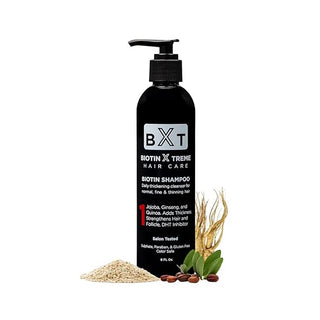
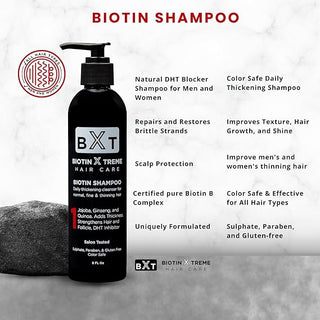
Natural DHT blockers are plant-based supplements and foods—like saw palmetto, pumpkin seed oil, rosemary oil, and green tea—that may help slow DHT-related hair thinning by inhibiting the 5-alpha reductase enzyme. Research in women is limited, and these options work best as supportive measures alongside professional treatment, not as standalone cures.
Hair thinning is one of those things that can sneak up on you. First, it's a wider part. Then it's more hair on the pillow. Then you're down a rabbit hole at midnight searching "natural DHT blockers" and wondering if pumpkin seeds are the answer.
The good news? You're not imagining things, and there are options worth exploring. The honest news? Natural DHT blockers aren't a guaranteed fix—and whether they'll work for you depends on a few factors that go well beyond what you eat or supplement.
This guide breaks down what DHT is, which natural blockers have the most evidence behind them, how diet fits into the picture, and when it makes sense to talk to a doctor. Whether you're in the early stages of hair thinning or just want to understand your options, here's what the science actually says.
Key Takeaways
- DHT is a hormone that can shrink hair follicles in some women, leading to thinning.
- Natural ingredients like saw palmetto and pumpkin seed oil are often called DHT blockers, but research in women is limited.
- Diet plays a role; foods like edamame and green tea might offer some benefits.
- Natural blockers aren't usually a cure-all and often work best alongside other treatments.
- Seeing a doctor for a proper diagnosis is super important before trying any hair loss treatment.
Understanding DHT And Its Role In Hair Loss
What Is DHT and Why Does It Cause Hair Loss?
DHT stands for dihydrotestosterone. It's a hormone that comes from testosterone. While often thought of as a male hormone, women produce testosterone too, and a small amount of it converts into DHT. This conversion happens thanks to an enzyme called 5-alpha reductase. DHT is actually more potent than testosterone when it comes to interacting with androgen receptors in the body. This means even small amounts can have a noticeable effect. In women, DHT plays a part in things like puberty, regulating some skin and hair functions, and how much oil your skin produces.
How DHT Affects Hair Follicles
So, how does DHT mess with your hair? It all comes down to genetics. If your hair follicles are particularly sensitive to DHT, it can cause problems. DHT attaches itself to these sensitive follicles. Over time, this attachment leads to the follicles shrinking, a process called miniaturization. This makes the hair growth phase shorter, and each new hair that grows out is thinner and weaker than the one before. Eventually, this can lead to noticeable thinning and hair loss. It's a gradual process, but it's the primary hormonal driver behind genetic pattern hair loss, often called androgenetic alopecia. While some products might mention a ginseng dht blocker, the science behind DHT's action on follicles is key to understanding why blocking it might help.
Does DHT cause hair loss in women?
Yes, though the pattern looks different. Female pattern hair loss caused by DHT typically appears as a widening part or diffuse thinning across the crown, rather than a receding hairline. That said, DHT is not the only cause of hair thinning in women. Iron deficiency, thyroid dysfunction, postpartum hormonal shifts, and chronic stress can all trigger shedding. Getting a proper diagnosis before pursuing any treatment—natural or otherwise—is essential.
What Are Natural DHT Blockers?
Natural DHT blockers are plant-based ingredients believed to inhibit the 5-alpha reductase enzyme, thereby reducing the conversion of testosterone to DHT. They're found in supplements, shampoos, and topical products marketed for hair loss. The most studied options include saw palmetto, pumpkin seed oil, and green tea extract.
Does saw palmetto block DHT?
Saw palmetto is probably one of the most well-known natural ingredients in the hair loss world. The idea behind it is that it might help by slightly interfering with the enzyme, 5-alpha reductase, which is the enzyme that converts testosterone into DHT. Some smaller studies, mostly in men, have suggested it could lead to a bit more hair density. However, when it comes to women, the research is still pretty thin. There's not a lot of solid evidence specifically showing it works reliably for female pattern hair loss. It's often found in supplements and even some DHT Blocker shampoo formulations.
Can pumpkin seed oil help with DHT-related hair thinning?
Similar to saw palmetto, pumpkin seed oil is another ingredient that researchers are looking at for its potential to inhibit that same 5-alpha reductase enzyme. One study done with men showed a modest increase in hair count after they took pumpkin seed oil supplements. But again, we're lacking good, high-quality studies that specifically look at how it affects women experiencing hair thinning. It's generally considered safe, but it's not a proven solution on its own.
What does green tea extract do for hair loss?
Green tea is packed with compounds called antioxidants, particularly one known as EGCG (epigallocatechin gallate). This stuff is thought to have anti-androgenic properties, meaning it might help reduce the effects of androgens like DHT. Some research suggests it could potentially help with hair growth, but like many natural remedies, the evidence isn't super strong or conclusive, especially for widespread use in women. It's a common addition to many hair health supplements, like DHT blocker vitamins.
The Role Of Zinc And Nettle Root
- Zinc: This mineral is pretty important for overall health, including hair. Low zinc levels have sometimes been linked to hair loss. While it's not a direct DHT blocker in the same way as saw palmetto, maintaining adequate zinc levels is important for healthy hair follicle function. Some studies suggest it might help reduce DHT levels, but more research is needed.
- Nettle Root: Stinging nettle root is another herb that's often mentioned. It's believed to have properties that might help block DHT, possibly by interacting with the 5-alpha reductase enzyme or by having anti-inflammatory effects on the scalp. It's frequently combined with other ingredients in natural hair loss formulas.
While these natural ingredients show promise and are widely used in supplements and topical products, it's important to remember that the scientific backing for their effectiveness, particularly in women, is often limited. They are generally considered supportive measures rather than standalone cures.
What about biotin as a DHT blocker?
Biotin is commonly marketed alongside DHT blockers, but it's worth clarifying what biotin actually does. Biotin is a B vitamin that supports keratin production—the structural protein that makes up hair. A biotin DHT blocker supplement typically combines biotin (to support hair structure) with other ingredients like saw palmetto or pumpkin seed oil (to target DHT). Biotin alone does not block DHT; rather, it supports overall hair health when used as part of a broader approach.
What Foods May Naturally Lower DHT Levels?
When we talk about tackling hair loss, especially the kind linked to DHT, what we eat often comes up. It makes sense, right? Our bodies are complex systems, and what we put into them can have a ripple effect. While no single food is a magic bullet, incorporating certain items into your diet might help manage DHT levels. It's about supporting your body's natural processes through nutrition.
Edamame And Soy Isoflavones
Edamame, those young soybeans, are packed with isoflavones. These are plant compounds that researchers think might play a role in lowering DHT. The idea is that they could potentially block the enzyme, 5-alpha reductase, which is responsible for converting testosterone into DHT. Some studies have looked into this. For instance, one study involving men found that soy protein, especially when it was rich in isoflavones, seemed to reduce DHT levels compared to milk protein. It's interesting because this effect was seen even with soy protein that had some isoflavones removed, suggesting other components in soy might be at play too. While more research is definitely needed, especially in women, it's a food worth considering.
Foods That May Help Block DHT
Beyond edamame, a few other foods pop up in discussions about DHT. Think about things like pumpkin seeds, onions, and green tea. These aren't just random additions; they contain specific nutrients and compounds that scientists are investigating for their potential to influence DHT production. For example, green tea is loaded with something called EGCG, which has antioxidant properties and might help protect hair follicles. Onions and pumpkin seeds are also mentioned for their potential to interfere with that 5-alpha reductase enzyme. It's a whole-food approach to potentially support hair health. You might even find some of these ingredients in a DHT Blocker Spray but getting them through diet is a great starting point.
Other foods that may support DHT management
A few other foods appear regularly in the DHT conversation:
|
Food |
Key Compound |
Potential Mechanism |
|
Green tea |
EGCG |
May protect follicles from DHT-induced damage |
|
Pumpkin seeds |
Zinc, phytosterols |
May inhibit 5-alpha reductase activity |
|
Onions |
Quercetin |
Anti-inflammatory; may stimulate hair growth in lab settings |
|
Avocados |
Beta-sitosterol |
Research suggests beta-sitosterol inhibits 5-alpha reductase activity |
|
Edamame/Soy |
Isoflavones |
May reduce DHT levels while preserving testosterone |
These aren't magic foods—and dietary changes alone are unlikely to reverse significant hair thinning. But incorporating them into a balanced diet adds nutritional value while potentially offering some ancillary benefit to scalp health.
Effectiveness And Limitations Of Natural Blockers
So, you're looking into natural ways to tackle DHT and hair thinning. It's great you're exploring options, but it's important to have realistic expectations about what these natural ingredients can actually do. While many of them show promise in lab settings or small studies, the real-world evidence, especially for women, is often a bit shaky.
Limited Clinical Evidence In Women
Many of the studies you'll find discussing natural DHT blockers, like saw palmetto or pumpkin seed oil, were primarily conducted on men. The data specifically for women experiencing hair loss is much more sparse. This means we don't have a clear picture of how effective these ingredients are for female hair thinning. It's tough to say for sure if they'll work for you if the research isn't there. While generally safe, their impact on female hormones and hair follicles isn't as well-documented as prescription options.
Inconsistent Results And Study Sizes
Even in studies that do exist, the results can be all over the place. Some show a modest benefit, while others show very little. Often, the studies are quite small, meaning the findings might not apply to a larger group of people. It's hard to draw firm conclusions when the evidence isn't consistent or based on large-scale trials. This inconsistency makes it difficult to rely solely on these natural approaches for significant hair regrowth.
Natural Blockers As Supportive Measures
Think of natural DHT blockers more as a supportive measure rather than a primary treatment. They might help a little, especially when combined with other healthy habits, but they're unlikely to be a magic bullet. For many women, hair loss is complex and can be influenced by many factors beyond just DHT. Addressing nutrient deficiencies or overall health might indirectly benefit your hair, even if the specific ingredient isn't directly blocking DHT. If you're looking for something with stronger backing, you might want to look into FDA-approved treatments.
It's crucial to remember that while natural ingredients are appealing, their effectiveness for hair loss, particularly in women, is often not as robust as scientifically developed medications. Always discuss your hair loss concerns with a healthcare professional to get a proper diagnosis and understand all available treatment paths.
Here's a quick look at what we know:
- Saw Palmetto: Some studies suggest it might help men, but female data is limited.
- Pumpkin Seed Oil: Similar to saw palmetto, more research is needed specifically for women.
- Green Tea Extract: Shows potential in labs, but human studies for hair loss are scarce.
- Zinc & Nettle Root: Important for overall hair health, but their direct DHT-blocking effect in women isn't strongly proven.
It's important to manage expectations. While these can be part of a broader hair health strategy, they may take a while to show any effect, and the results can vary greatly from person to person. If you're seeing noticeable changes, it's often after several months of consistent use.
When To Consider Prescription DHT Blockers
So, you've been exploring natural options for hair thinning, and maybe they've helped a bit, or maybe not so much. It's a common point to reach where you start wondering about the next step, and that's often when prescription DHT blockers come into the picture. These aren't your over-the-counter supplements; they're medications that require a doctor's prescription and careful consideration.
Understanding Prescription Options
When we talk about prescription DHT blockers, we're generally looking at a few main players. For women, spironolactone is often the first line of defense. It's an anti-androgen that works by blocking androgen receptors and reducing DHT's impact on your hair follicles. It doesn't directly stop DHT production like some other medications, but it can significantly help manage hair loss related to androgens. Then there's finasteride. While it's more commonly known for treating male pattern baldness, it's sometimes prescribed off-label for women, particularly those who are postmenopausal. Finasteride works by inhibiting the enzyme that converts testosterone into DHT. A third option, dutasteride, is similar to finasteride but even more potent, though it's less commonly used in women due to limited research and similar safety concerns.
It's really important to know that these medications work differently and have distinct safety profiles. For instance, spironolactone can affect menstrual cycles and blood pressure, while finasteride and dutasteride carry significant risks for pregnant women or those who might become pregnant.
Safety Considerations For Women
This is a big one, especially for women. The primary concern with medications like finasteride and dutasteride is their potential to cause birth defects in male fetuses. This means if you are pregnant, planning to become pregnant, or not using reliable contraception, these specific medications are generally off the table. Spironolactone also usually isn't recommended during pregnancy. Beyond pregnancy risks, prescription DHT blockers can have other side effects. These might include changes in libido, mood shifts, breast tenderness, or even hormonal imbalances. It's not just about blocking DHT; it's about how these drugs affect your body's overall hormonal balance. Regular monitoring by a healthcare provider is usually necessary to manage these potential issues and ensure the medication is working safely for you.
The Importance Of Professional Diagnosis
Before you even think about a prescription, getting a solid diagnosis is key. Hair loss in women can stem from so many different things – thyroid issues, iron deficiency, stress, or even scalp conditions. Just jumping onto a DHT blocker without knowing the root cause might not help and could even delay finding the right treatment. A doctor can run tests to figure out what's really going on. They'll look at your medical history, hormone levels, and other factors to pinpoint the cause. This thorough evaluation helps determine if a prescription DHT blocker is actually the right path for you, or if other treatments, like addressing nutrient deficiencies or managing stress, would be more effective. Sometimes, the best approach is a combination of treatments, and a professional can help you build that plan. If female pattern hair loss is confirmed, a prescription might be a good option, but it's always best to discuss this with a doctor who understands women's hair loss treatments.
Starting a prescription DHT blocker is a significant step that should only be taken after a thorough medical evaluation. Understanding the potential benefits, risks, and alternatives is crucial for making an informed decision about your hair health.
Holistic Strategies For Hair Health
When it comes to hair thinning, especially for women, it's rarely just one thing going on. While DHT blockers can be part of the picture, they're often not the whole story. Thinking about your hair health in a broader way can make a big difference. It's about looking at your body as a whole system and figuring out what might be out of balance.
Addressing Underlying Causes
Sometimes, hair loss is a signal that something else needs attention. Things like chronic stress can really mess with your hair cycle. When you're stressed, your body pumps out cortisol, and that can lead to more shedding. Getting a handle on stress through things like meditation, yoga, or just making time for hobbies you enjoy is super important. Also, don't forget about sleep; it's when your body does a lot of its repair work. Poor sleep can definitely impact your hair.
Hair loss in women is rarely caused by one hormone alone. Blocking DHT may help certain individuals, but comprehensive evaluation almost always leads to better outcomes than single-solution approaches.
Complementary Treatments For Hair Loss
Beyond just blocking DHT, there are other things you can do. For instance, making sure you're getting enough key nutrients is vital. Things like iron, Vitamin D, and B vitamins play a big role in keeping your hair follicles healthy. If you're low in iron, for example, you might shed more hair, and no amount of DHT blocking will fix that on its own. Getting your levels checked through blood work is a good idea. Sometimes, treatments like platelet-rich plasma (PRP) therapy are considered, where your own platelets are used to stimulate hair growth. It's a more involved approach, but it shows how varied the solutions can be.
The Multifactorial Nature Of Hair Thinning
It's easy to get fixated on one cause, but hair thinning is usually a mix of factors. Genetics play a part, sure, but so do your diet, stress levels, and even the products you use on your hair. A balanced diet rich in vitamins and minerals is a great starting point for supporting hair growth. You might also want to explore natural hair-growth remedies that can be tried at home. Remember, consistency is key with any approach you choose. It takes time for hair to grow, so be patient with yourself and your hair health journey. Looking at the whole picture, rather than just one piece, often leads to the best results.
Here's a quick look at some factors to consider:
- Nutrient Levels: Checking for deficiencies in iron (ferritin), Vitamin D, Zinc, and B12.
- Hormonal Balance: Assessing thyroid function and other relevant hormones.
- Stress Management: Implementing techniques to reduce daily stress and improve sleep quality.
- Scalp Health: Ensuring a healthy scalp environment free from irritation and buildup.
Conclusion
So, when we talk about natural DHT blockers, it's a bit of a mixed bag. Some ingredients show promise in lab studies or small trials, mostly in men, but the real-world proof for women is still fuzzy. Think of them as a potential sidekick to other hair-health strategies, not a superhero on their own. If you're serious about tackling hair thinning, especially if it seems hormone-related, getting a proper diagnosis from a doctor is the best first move. They can help figure out if DHT is even the main culprit and guide you toward treatments that have solid evidence behind them, whether that's prescription options or addressing other underlying issues. Remember, hair health is complex, and a personalized approach is usually the most effective.
Frequently Asked Questions
What exactly are natural DHT blockers?
DHT stands for dihydrotestosterone. It's a hormone that comes from testosterone. While men have more of it, women have it too. In some people, DHT can attach to hair follicles and make them shrink over time, which can lead to hair getting thinner and falling out.
Are natural DHT blockers safe for women?
For the most part, natural ingredients like saw palmetto or pumpkin seed oil seem pretty safe for most women. But, 'natural' doesn't always mean 'effective.' There's not a lot of strong proof that they work really well for women's hair loss, and it's always a good idea to chat with your doctor before starting anything new, just in case.
What foods can help block DHT?
Some foods might help a little. Things like pumpkin seeds, green tea, onions, and edamame beans have compounds that some studies suggest could slow down DHT. Eating a balanced diet with these foods is good for your overall health, including your hair, but don't expect miracles from food alone.
How long do natural DHT blockers take to work?
Honestly, it's hard to say because the research is so limited. If they do work, you might see small changes over several months. But since they aren't as strong as some medicines, you might not notice a big difference, or it might take a very long time.
Can I just use natural blockers instead of seeing a doctor?
It's really best to see a doctor, especially if your hair loss is bothering you. Hair thinning can happen for many reasons, like stress, thyroid problems, or low iron. A doctor can help figure out the real cause, which is important because natural blockers might not help if DHT isn't the main issue.
What's the difference between natural and prescription DHT blockers?
Prescription blockers, like finasteride or spironolactone, are actual medicines that have been tested a lot and are proven to lower DHT levels or block its effects. Natural blockers are usually supplements made from plants. While they might have some mild effects, they aren't as powerful or as well-studied as prescription options.