Dealing with hair loss can be frustrating, and it's something many people experience. You might have heard about different solutions, but have you considered what nature has to offer? Ginseng, a plant with a long history in traditional medicine, is showing promise for hair health. Specifically, its potential as a ginseng dht blocker is gaining attention for how it might help with thinning hair and encourage new growth. Let's explore how this natural ingredient works.
Key Takeaways
- Ginseng acts as a ginseng dht blocker by inhibiting the enzyme 5-alpha reductase, which converts testosterone to DHT, a hormone linked to hair loss.
- Beyond blocking DHT, ginseng stimulates hair follicles, improves scalp blood flow, and provides nutrients to support hair growth.
- Ginseng's adaptogenic properties help manage stress, which can negatively impact the hair growth cycle.
- You can incorporate ginseng into your routine through topical products like serums and rinses, or via dietary supplements.
- Ginseng offers a holistic approach to hair wellness, addressing concerns like thinning, brittleness, and dryness by nourishing the scalp and protecting against damage.
Understanding Ginseng's Role As A Ginseng DHT Blocker
So, you're dealing with hair thinning or maybe just want to keep your hair looking its best. It turns out, that ancient root, ginseng, might be more than just a health tonic. It's actually got some pretty interesting properties when it comes to tackling hair loss, particularly by messing with something called DHT. You've probably heard about DHT if you've looked into hair loss solutions before. It's a hormone that can shrink hair follicles over time, leading to thinner hair and, for some, baldness. Ginseng seems to have a way of interfering with this process.
How Ginseng Inhibits DHT Production
This is where ginseng really shines in the hair loss conversation. The main culprit behind DHT's effect on hair is an enzyme called 5-alpha reductase. This enzyme is responsible for converting testosterone into dihydrotestosterone (DHT). When there's too much DHT hanging around your scalp, it can signal your hair follicles to shrink. Ginseng contains compounds that can actually block this enzyme's activity. By doing so, it helps reduce the amount of DHT being produced in the first place, giving your hair follicles a better chance to thrive.
The Science Behind Ginseng's 5-Alpha Reductase Inhibition
Let's get a little more specific. The active ingredients in ginseng, often called ginsenosides, are believed to be the key players here. Studies suggest these ginsenosides can inhibit the 5-alpha reductase enzyme. Think of it like putting a wrench in the works of the DHT production line. While it's not a complete shutdown, even a partial inhibition can make a difference over time. It's a natural way to manage DHT levels without the harsh side effects some medications might have.
Here's a simplified look at the process:
- Testosterone is present in the body.
- The enzyme 5-alpha reductase acts on testosterone.
- This conversion produces DHT.
- High DHT levels can negatively impact hair follicles.
- Ginseng's compounds help inhibit 5-alpha reductase, thus reducing DHT.
Ginseng's Impact on Hormonal Balance for Hair Health
Beyond just blocking that one enzyme, ginseng is also thought to help with overall hormonal balance. It's known for its adaptogenic qualities, meaning it helps the body manage stress. Chronic stress can throw your hormones out of whack, and that can definitely affect your hair. By helping to calm your system and potentially influencing other hormonal pathways, ginseng offers a more holistic approach to supporting healthy hair growth. It's not just about one hormone; it's about creating a better internal environment for your hair to flourish.
The Multifaceted Benefits Of Ginseng For Hair Growth
Ginseng isn't just about blocking DHT, though that's a big part of why people are talking about it for hair loss. This amazing root does a whole lot more to help your hair look and feel its best. It's like a multi-tasker for your scalp and strands.
Stimulating Hair Follicles For Enhanced Growth
One of the coolest things ginseng does is wake up those sleepy hair follicles. It contains special compounds called ginsenosides that can get into the follicles and give them a nudge. This stimulation helps prolong the growth phase of your hair cycle, meaning your hair spends more time growing and less time resting. This can lead to noticeably thicker and denser hair over time. It's not magic, but it's pretty close to it when you see new growth appearing where things were looking a bit sparse. If you're looking for ways to encourage natural hair growth, ginseng is definitely worth considering.
Improving Scalp Circulation For Nutrient Delivery
Think of your scalp as the soil for your hair. If the soil isn't healthy, the plant won't thrive, right? Ginseng helps improve blood flow to your scalp. Better circulation means more oxygen and nutrients can reach your hair follicles. This is super important because those follicles need a steady supply of good stuff to produce strong, healthy hair. It’s like giving your hair roots a constant delivery of vitamins and minerals right where they’re needed most.
Nourishing The Scalp With Essential Vitamins And Minerals
Beyond just circulation, ginseng itself is packed with good things. It’s loaded with vitamins like A, the B complex, C, and E, plus minerals such as zinc, selenium, and magnesium. These aren't just random additions; they play specific roles in keeping your scalp healthy and your hair strong. They help balance oil production, keep the scalp from getting dry or flaky, and generally create a better environment for hair to grow. It’s a whole package deal for scalp wellness.
Beyond DHT Blocking: Ginseng's Holistic Approach To Hair Wellness
So, we've talked a lot about how ginseng can help block DHT, which is a big deal for hair loss. But ginseng does more than just that one thing. It's like a whole wellness package for your hair and scalp, tackling issues from different angles.
Reducing Stress To Support The Hair Growth Cycle
Life can be pretty stressful, right? And it turns out, all that stress can mess with your hair growth cycle. When you're constantly stressed, your body goes into overdrive, and that can push your hair follicles into a resting phase too soon. Ginseng is known for its adaptogenic properties, meaning it helps your body handle stress better. By taking some of the pressure off, ginseng can help keep your hair in its growth phase for longer, which is exactly what we want.
Antioxidant Protection Against Environmental Damage
Our hair and scalp are out there in the world, dealing with pollution, UV rays, and all sorts of environmental nasties. These things create free radicals, which are basically unstable molecules that can damage your cells, including those in your hair follicles. Ginseng is packed with antioxidants that fight off these free radicals. Think of them as tiny bodyguards for your hair, protecting it from damage and keeping those follicles healthy and strong.
Enhancing Nutritional Absorption For Follicle Health
Even if you're eating all the right foods, your body might not be absorbing all those good nutrients as well as it could. Ginseng can actually help improve how well your body takes in vitamins, minerals, and other good stuff. This means more of the nutrients that your hair follicles need to grow strong and healthy actually get to where they need to go. It's like making sure your hair's food delivery service is running at peak efficiency.
It's easy to get caught up in specific ingredients and their direct actions, but sometimes the best approach is one that supports the body's overall well-being. When your body is less stressed and better nourished, your hair often shows it. Ginseng seems to hit that sweet spot, offering a broader benefit than just targeting one specific hormone.
Incorporating Ginseng DHT Blockers Into Your Hair Care Routine
So, you're ready to give ginseng a try for your hair? That's awesome! It's not just about popping a pill, though. You can actually weave this amazing root into your everyday hair care. It’s all about finding what works for you and sticking with it. Consistency is key when you're aiming for healthier hair.
Topical Applications: Serums, Rinses, and Leave-In Treatments
Using ginseng directly on your scalp can make a big difference. Think of it as giving your hair follicles a direct dose of goodness. You can find shampoos and conditioners with ginseng extract, which is a good start. But for a real boost, consider serums or leave-in treatments. These stay on your hair longer, giving the ginseng more time to work its magic. A simple hair rinse is another option: just mix some ginseng extract with water and use it after you wash your hair. It adds shine and helps your scalp feel better. If you're feeling crafty, you can even whip up your own hair masks or oils using ginseng extract and other natural goodies. Just be mindful of your hair type – if your hair is fine, you don't want anything too heavy that will weigh it down.
Dietary Supplements For Internal Support
Sometimes, the best way to help your hair is from the inside out. Taking ginseng as a dietary supplement can support your hair's overall health. It's like giving your body the building blocks it needs for strong hair. Remember to chat with your doctor before you start any new supplement, just to be safe. They can help you figure out the right dosage and make sure it's a good fit for you. It’s a great way to complement what you’re doing on the outside.
Tailoring Ginseng Treatments For Different Hair Types
Not all hair is created equal, right? So, how you use ginseng might need a little tweaking depending on your hair type. For fine or thin hair, you'll want to stick with lighter formulas. Heavy products can make fine hair look flat and greasy. Look for ginseng shampoos and conditioners that promise volume. If you have oily hair, focus on applying treatments more to the scalp and less on the ends. For dry or damaged hair, you might want to go for richer, more moisturizing ginseng masks or leave-in conditioners. The goal is to nourish without making things worse. It’s all about finding that sweet spot for your specific hair needs. For example, if you're looking for scalp stimulation, applying something like oleanolc acid directly to the scalp and massaging it in can be quite effective.
Taking care of your hair is a bit like tending a garden. You need the right soil (your scalp), the right nutrients (vitamins, minerals, and ginseng's active compounds), and consistent care. Just like a plant, your hair needs a healthy environment to grow strong and vibrant. Don't forget that protecting your hair from harsh elements and managing stress also plays a big role in its overall health and growth cycle.
Product Recommendations For Your Hair Care Routine
When you're looking to boost your hair health, especially by targeting DHT, there are some fantastic products that can help. Integrating specific DHT blockers into your routine can make a noticeable difference. Here are a couple of recommendations to consider:
DHT Blocker Spray
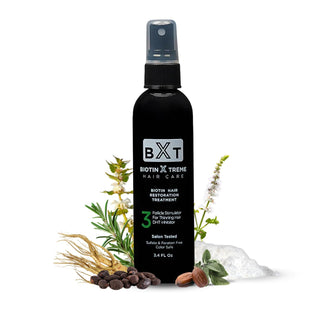
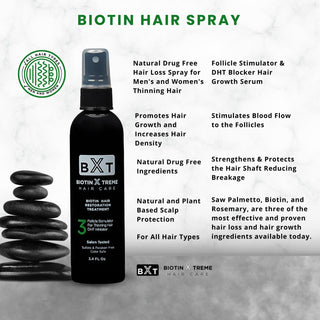
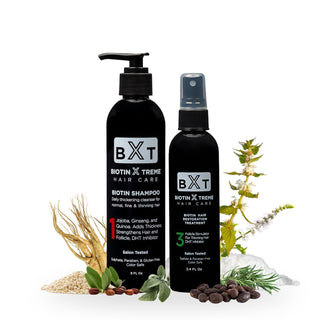
For a targeted approach, a DHT blocker spray can be incredibly effective. These sprays are designed to be applied directly to the scalp, where they can work on inhibiting DHT production at the follicle level. They often contain a blend of ingredients known for their DHT-blocking properties, alongside nourishing elements to support hair growth. A great option to explore is the DHT blocker spray. It's formulated to help combat hair thinning and promote a healthier scalp environment.
DHT Blocker Biotin Shampoo
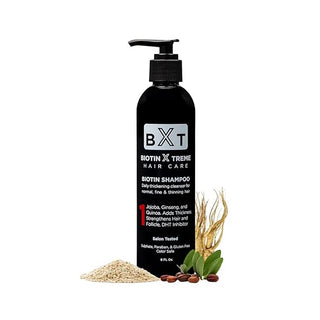
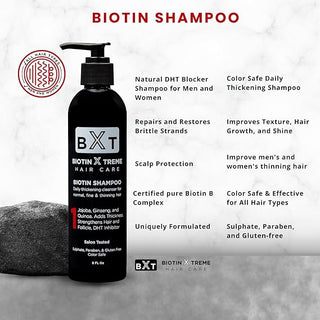
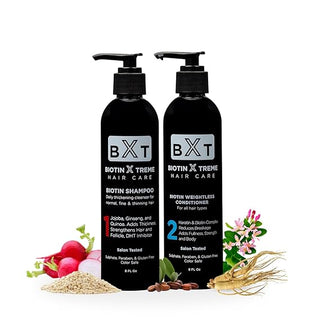
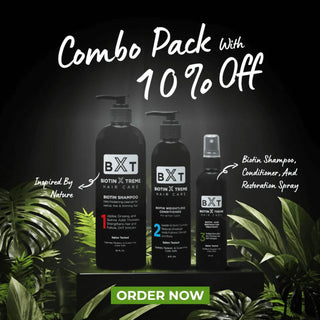
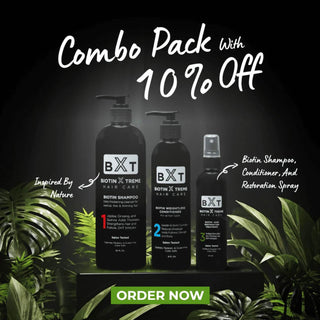
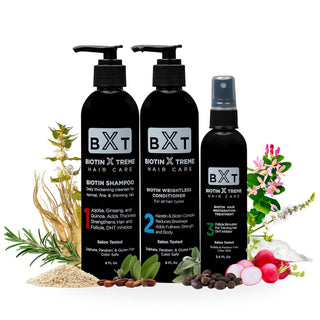
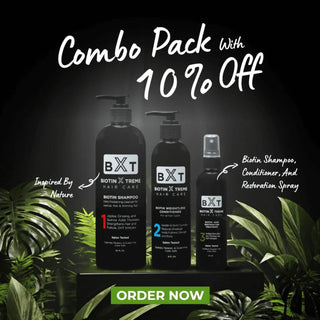
Shampoo is a daily essential, so why not make it work harder for your hair? A DHT blocker biotin shampoo can help cleanse your scalp while actively working to reduce DHT. Biotin itself is well-known for its benefits to hair strength and growth. When combined with DHT-blocking ingredients, this type of shampoo offers a dual-action approach. Consider trying the Biotin Xtreme Biotin Shampoo. It's designed to nourish your scalp and hair, helping to create the optimal conditions for hair regrowth and thickness.
Choosing products with proven DHT-blocking ingredients can be a powerful addition to your hair care regimen. Look for formulations that not only target DHT but also provide essential nutrients to support overall hair and scalp health.
Addressing Common Hair Concerns With Ginseng
It's pretty common to run into hair issues now and then, right? Whether your hair feels like straw, is breaking off easily, or just seems to be thinning out more than you'd like, ginseng might offer some help. It's not just about blocking DHT, though that's a big part of it. Ginseng has a way of working on several fronts to make your hair healthier overall.
Combating Hair Loss And Thinning
This is probably the most talked-about benefit. If you're noticing more hair in your brush or shower drain, ginseng can step in. It works by waking up those sleepy hair follicles and encouraging them to get back into their growth phase. Think of it like giving your scalp a gentle nudge to get things moving. By potentially extending the time your hair spends in the growth stage, ginseng can lead to hair that's not only more plentiful but also feels thicker. It's about strengthening the hair right from the root, which means less breakage and a more robust head of hair over time.
Strengthening Weak Or Brittle Hair
We've all had those days where our hair just feels… fragile. Brushing it feels like a risk, and styling it can lead to snapping. Ginseng can help here too. It gets to work strengthening both the hair strands themselves and the follicles they grow from. This makes your hair more resilient, less prone to snapping, and generally more flexible. So, that feeling of brittleness? It can start to fade, replaced by hair that feels more elastic and robust.
Revitalizing Dry And Damaged Hair
Dry, damaged hair can be a real pain. It often looks dull, feels rough, and is prone to frizz. Ginseng's properties can help bring back some much-needed moisture and repair. It nourishes the scalp and the hair shaft, which can help smooth things over and restore a healthier look and feel. If your hair has been through a lot, whether from heat styling or environmental factors, ginseng treatments can offer a way to bring back softness and make it more manageable.
When dealing with dry or damaged hair, it's often about replenishing lost moisture and providing the building blocks for repair. Ginseng, with its rich nutrient profile, can contribute to this process by supporting the scalp's health and delivering beneficial compounds to the hair shaft.
The Nutrient-Rich Profile Of Ginseng For Hair Health
Ginseng isn't just some random herb; it's packed with stuff that really helps your hair. Think of it like a multivitamin for your scalp and strands. The main players here are compounds called ginsenosides. These are the powerhouses that get things moving, waking up those sleepy hair follicles and telling them to get back to work. They also help make your existing hair stronger, so less of it ends up on your brush.
The Power Of Ginsenosides In Stimulating Growth
Ginsenosides are the stars of the show when it comes to ginseng's hair-boosting abilities. They're known to kickstart hair follicles, encouraging them to enter the growth phase for longer. This means more hair can grow, and it can grow thicker. Plus, they help strengthen the follicles themselves, which is a big deal for preventing hair from breaking off easily.
Essential Vitamins For Scalp And Hair Vitality
Your scalp needs good nutrition to grow healthy hair, and ginseng delivers. It's got a bunch of vitamins, like A, C, and E, plus a whole range of B vitamins. These aren't just good for your overall health; they're important for keeping your scalp happy and healthy. A healthy scalp is the foundation for strong hair, plain and simple.
Minerals That Support Robust Hair Growth
Beyond vitamins, ginseng also brings minerals to the table. Things like zinc and selenium are in there, and they play a role in keeping your scalp balanced and your hair follicles fed. Proper mineral levels can help regulate oil production and generally make your hair feel and look better.
Ginseng's rich mix of vitamins and minerals works together to create a better environment for hair to grow. It's not just about one magic ingredient; it's the whole package working in harmony to support your hair's journey from root to tip.
Here's a quick look at what ginseng brings:
- Ginsenosides: Stimulate follicles, prolong growth phase, strengthen roots.
- Vitamins (A, C, E, B-complex): Support scalp health, promote growth, protect follicles.
- Minerals (Zinc, Selenium, Magnesium): Balance scalp, nourish follicles, improve hair texture.
- Amino Acids: Building blocks for hair protein, repair damage.
- Antioxidants (Polyphenols): Protect hair and scalp from damage.
Ginseng is packed with good stuff that helps your hair. It's full of vitamins and minerals that can make your hair stronger and grow better. Want to give your hair the best care? Check out our amazing hair products on our website!
Wrapping It Up: Ginseng for Healthier Hair
So, we've talked a lot about how ginseng can be a real game-changer for hair loss, especially when it comes to blocking DHT. It’s pretty cool that this natural ingredient can help out by getting to the root of the problem, literally. By improving blood flow to your scalp and giving those follicles a boost, ginseng seems to really help hair grow back stronger and healthier. Plus, it’s not just about stopping hair from falling out; it makes your existing hair look and feel better too. If you’re looking for a more natural way to deal with thinning hair, giving ginseng a try might be worth considering. Just remember, consistency is key with any hair care routine, so stick with it and see what happens!
Frequently Asked Questions
What exactly is DHT and why does it cause hair loss?
DHT stands for dihydrotestosterone. It's a hormone that's like a byproduct of testosterone in your body. For some people, DHT can attach to tiny parts of your hair called follicles. When this happens, it can make the follicles shrink, which causes your hair to get thinner and eventually fall out. This is a common reason for baldness in men and thinning hair in women.
How does ginseng help block DHT?
Ginseng has special natural stuff in it called ginsenosides. These compounds are thought to help stop an enzyme in your body, called 5-alpha reductase, from turning testosterone into DHT. By slowing down this process, ginseng can help lower the amount of DHT that reaches your hair follicles, which may help prevent hair loss.
Besides blocking DHT, what other good things does ginseng do for my hair?
Ginseng is like a superfood for your hair! It can wake up your hair follicles, making them grow better. It also helps blood flow to your scalp, so your hair gets all the food and oxygen it needs. Plus, it's packed with vitamins and minerals that keep your scalp healthy and your hair strong.
Can I use ginseng products on my hair, or do I need to eat them?
You can do both! You can find ginseng in hair products like shampoos, conditioners, and serums that you put directly on your scalp. You can also take ginseng as a supplement, like a pill or capsule, to help your hair from the inside out. It's always a good idea to talk to a doctor before starting any new supplements.
How long does it take to see results from using ginseng for hair growth?
Hair growth takes time, so be patient! You likely won't see big changes overnight. Many people start noticing a difference in how their hair feels or looks after a few weeks of regular use. For more noticeable results, like thicker hair, it might take a few months. Consistency is key!
Is ginseng safe for everyone to use for hair loss?
For most people, ginseng is safe when used as directed in hair products or as a supplement. However, if you have any health conditions or are taking medications, it's best to check with your doctor first. They can tell you if ginseng is the right choice for you and help you figure out the best way to use it.