By Steve Haymes — Updated September 2026
Quick answer: For most people, root touch-up sprays, powders and sticks do not directly cause hair loss when used as directed. However, frequent heavy application, scalp irritation, allergic reactions, product buildup and rough removal can contribute to dryness, hair breakage or scalp discomfort.
If you are experiencing sudden, severe or patchy hair loss, the root touch-up product may not be the main cause. Persistent hair loss deserves evaluation by a dermatologist or other qualified healthcare professional.
Grey roots have a way of appearing at the worst possible time, which is why root touch-up sprays, powders, sticks and other root concealers have become popular between salon visits.
But if you use them regularly, it is reasonable to ask:
- Is root touch-up bad for your hair?
- Does root touch-up damage hair?
- Does root touch-up spray cause hair loss?
- Does root touch-up powder cause hair loss?
- Are Clairol and L’Oréal root-cover products safe?
The answer depends less on the idea of “root touch-up” itself and more on the type of product, how often it is applied, whether your scalp reacts to it, and how gently you remove it.
One issue we have seen repeatedly in salon settings is mechanical damage during removal.
Heavy sprays and powders are designed to cling to the hair so they can provide coverage. If someone vigorously scratches the scalp with their fingernails or repeatedly drags a brush through stiff, product-coated roots, that friction may contribute to breakage—especially if the hair is already fine, chemically processed or fragile.
A note from our founder: After more than 30 years working with clients in the salon and hair-care industry, one pattern I have frequently observed is that rough removal can be harder on fragile hair than the temporary concealer itself. If breakage seems concentrated around the hairline, temples or areas where you apply root cover most often, look at how you are removing the product as well as what you are applying.
The goal should be simple: let your shampoo loosen and remove the product rather than relying on aggressive scratching or brushing.
Below, we explain how root touch-up products work, whether sprays and powders can damage hair, possible side effects, how Clairol and L’Oréal products fit into the picture, and how to use root concealers more gently.
What Is a Root Touch-Up Product?
Root touch-up products temporarily disguise visible regrowth, usually grey hair, between full coloring sessions.
Common formats include:
Root Touch-Up Spray
Sprays use an aerosol or pump system to deposit pigment over a relatively broad area.
They are convenient when you need quick coverage around the part, crown or larger sections of visible regrowth.
Root Touch-Up Powder
Powders usually contain cosmetic pigments that are applied with a small brush or applicator.
They can be useful around:
- The part line
- Temples
- Hairline
- Small areas of grey
- Areas where more precise placement is needed
Root Touch-Up Stick or Pencil
Sticks and pencils deposit color directly onto a small area and can be useful for individual grey strands, temples and precise hairline coverage.
Permanent Root Touch-Up Kits
These are different from temporary sprays, powders and sticks.
Permanent root touch-up kits use oxidative hair-color chemistry to actually color new growth. Because they are true hair dyes, they require the same type of precautions associated with permanent hair color, including following application instructions and allergy-testing guidance.
Is Root Touch-Up Bad for Your Hair?
For most people, temporary root touch-up is not inherently bad for the hair when used appropriately.
Temporary root concealers generally coat the outside of the hair rather than permanently changing its structure.
Problems are more likely to arise when:
- Excessive amounts are repeatedly layered onto the roots
- Product is allowed to build up between washes
- The scalp becomes irritated
- Someone is allergic or sensitive to an ingredient
- Hair is brushed aggressively while coated with product
- The scalp is scratched vigorously during removal
- Hair is already fragile from bleaching, heat or chemical processing
So, if you are asking “Is root touch-up safe?”, the most accurate answer is that temporary root-cover products are usually well tolerated, but individual sensitivity and hair condition matter.
Does Root Touch-Up Damage Hair?
Root touch-up does not automatically damage the hair.
However, several things associated with using it can contribute to dryness or breakage.
Mechanical Friction
This is one of the most overlooked issues.
Repeatedly brushing through stiff, coated roots or scratching the scalp during removal can increase friction and mechanical stress.
Fragile or processed hair may be especially susceptible to breakage.
Repeated Product Buildup
Temporary colorants, styling polymers, natural scalp oil and other styling products can accumulate when fresh product is continually layered over old product.
This does not mean root concealer permanently “clogs” your follicles. However, heavy buildup can make the scalp feel coated and may contribute to irritation in some people.
Regular, gentle cleansing is usually enough to prevent this.
Scalp Sensitivity
Fragrance, dyes, solvents and other cosmetic ingredients can irritate sensitive skin.
If a product causes persistent itching, burning, redness or swelling, stop using it.
Does Root Touch-Up Spray Cause Hair Loss?
There is no established evidence that normal use of temporary root touch-up spray directly causes hair loss in most people.
Temporary sprays generally deposit pigment onto the outside of the hair rather than functioning like permanent oxidative hair dye.
That said, there are several things to watch for.
Overspray Onto the Scalp
Sprays cover a broader area than powders or sticks, which means some product may land directly on the scalp.
If a large amount is applied repeatedly without adequate cleansing, residue can accumulate.
Dryness
Some temporary sprays may contain ingredients that can leave the hair or scalp feeling dry, particularly with frequent use.
Formulas vary, so check the ingredient list on the specific product you use rather than assuming every spray contains the same ingredients.
Scalp Irritation
Some people may react to fragrance, colorants or other cosmetic ingredients.
Persistent irritation can lead to scratching, which may increase mechanical stress around the roots.
Does Root Touch-Up Spray Damage Hair?
For most people, occasional use of root touch-up spray according to the manufacturer’s instructions is unlikely to cause meaningful structural hair damage.
The greater concern is usually what happens around the product:
- Applying excessive amounts
- Reapplying continuously without cleansing
- Using high heat on already dry or processed hair
- Scrubbing aggressively to remove the product
- Continuing to use a formula that irritates your scalp
If your roots become stiff after applying spray, avoid forcing a brush through them.
Wash the product out gently instead.
Root Touch-Up Spray Side Effects
Possible root touch-up spray side effects can include:
- Dry or stiff-feeling hair
- Scalp residue
- Itching
- Redness
- Irritation
- Product transfer onto clothing or bedding
- Breakage caused by rough brushing or removal
These effects are different from true hair loss originating at the follicle.
If you notice ongoing shedding, thinning or bald patches, consider other causes rather than assuming your root spray is solely responsible.
Does Root Spray Cause Hair Loss?
“Root spray” and “root touch-up spray” usually refer to the same general type of temporary concealing product.
Root spray itself is not established as a common direct cause of hair loss.
If hair seems thinner after using a root spray, consider whether you are seeing:
Hair Breakage
Shorter broken strands may result from mechanical stress, heat, chemical processing or excessive brushing.
Increased Shedding
Whole hairs coming out from the root can occur for many reasons unrelated to root spray.
An Existing Hair-Loss Condition
Genetic thinning, hormonal changes, illness, nutritional problems, medications and stress-related shedding can all occur regardless of whether someone uses a root concealer.
Does Root Spray Damage Hair?
A root spray may contribute to dryness or stiffness in some users, but temporary root spray is not automatically damaging.
The way it is used matters.
Use the smallest amount necessary to get coverage, avoid repeatedly saturating the scalp, and cleanse gently when removing it.
Does Root Touch-Up Powder Cause Hair Loss?
Temporary root touch-up powder is also not established as a direct cause of hair loss during normal use.
Powders generally contain pigments that sit on the hair or scalp surface.
They differ from sprays in a few important ways.
More Precise Application
Because powder is usually applied with a small brush or applicator, it can be placed more precisely than an aerosol spray.
This may help reduce unnecessary coverage of surrounding hair.
Surface Residue
Powder can remain on the scalp if repeatedly layered without washing.
That does not mean it permanently blocks hair growth, but regular cleansing is sensible if you use powder frequently.
Risk of Over-Application
Because powders are easy to layer, people sometimes apply more than they actually need.
Start with a small amount and build coverage gradually.
Does Root Touch-Up Powder Damage Hair?
Root touch-up powder itself generally sits on the surface of the hair rather than chemically altering the hair shaft.
Damage is more likely to come from:
- Aggressive brushing
- Scratching during removal
- Repeated friction
- Existing chemical damage
- Heat styling
- Using products despite scalp irritation
Applying powder precisely and washing it out gently helps minimize these issues.
Root Touch-Up Powder Side Effects
Possible root touch-up powder side effects include:
- Residue on the scalp or hair
- Dry or powdery texture
- Itching or irritation in sensitive users
- Product transfer
- Buildup when repeatedly layered
- Breakage if coated hair is brushed aggressively
If your scalp feels normal and the product washes away easily, occasional use is unlikely to be a major hair-health concern.
Hair Touch-Up Powder Side Effects
“Hair touch-up powder,” “root touch-up powder” and “root concealer powder” often describe very similar products.
The same basic precautions apply:
Use only as much as you need, avoid excessive layering, stop use if irritation develops, and cleanse regularly.
Spray vs. Powder vs. Stick: Which Is Gentlest on Hair?
|
Format |
How It Works |
Main Issue to Watch |
Best For |
|
Spray |
Disperses pigment over a larger area |
Overspray, stiffness or scalp residue |
Larger areas of regrowth |
|
Powder |
Pigment applied with a brush |
Residue or over-application |
Part lines and smaller areas |
|
Stick/Pencil |
Solid pigment applied directly |
Concentrated contact |
Hairline, temples and individual greys |
|
Permanent Root Kit |
Uses permanent hair dye |
Irritation, allergy and chemical processing |
Longer-lasting coverage of new growth |
For someone trying to minimize unnecessary product contact, a precise powder or stick may offer more control than spraying a large area.
However, there is no universally “best” format. The gentlest option is usually the one that works for your hair and scalp without irritation, excessive buildup or aggressive removal.
What Actually Increases the Risk of Hair Loss?
It is important to separate root touch-up from hair loss in general.
Hair shedding can be influenced by many factors, including:
- Genetics
- Hormonal changes
- Menopause
- Postpartum changes
- Thyroid disorders
- Significant illness
- Major psychological or physiological stress
- Rapid weight loss
- Some medications
- Nutritional deficiencies
- Autoimmune conditions
- Certain scalp disorders
The American Academy of Dermatology notes that shedding approximately 50 to 100 hairs per day can be normal.
Excessive shedding can occur with conditions such as telogen effluvium, which may follow illness, childbirth, major stress, significant weight loss and other physiological changes.
A root touch-up product would not usually explain these underlying conditions.
If your broader concern is ongoing thinning rather than temporary dryness or breakage, see our guide on how to reduce thinning hair in women.
Root Touch-Up Side Effects
Most temporary root concealers are well tolerated, but possible side effects include:
Dryness
Hair can feel dry, stiff or less flexible after some temporary root products.
This may be more noticeable in hair that is already bleached, chemically processed or naturally dry.
If dryness and frizz are an ongoing problem, read our guide to the best shampoo and conditioner for dry and frizzy hair.
Scalp Buildup
Repeated application without adequate cleansing can leave pigment and styling residue on the scalp.
This may cause the scalp to feel coated, dirty or uncomfortable.
Irritation
Fragrance and other cosmetic ingredients can irritate sensitive skin.
Stop using a product if you develop persistent itching, redness or burning.
Allergic Contact Dermatitis
Allergic reactions are particularly important with permanent hair-color products.
PPD, or p-phenylenediamine, is commonly used in permanent oxidative hair dye and is a recognized cause of allergic contact dermatitis in susceptible individuals. DermNet NZ
Temporary sprays and powders are different products, so do not assume they contain PPD. Always check the ingredient list on the exact product you use.
Ingredients to Pay Attention to
The ingredient list can vary substantially between root-touch-up products.
Aerosol Propellants
Temporary aerosol sprays may use propellants such as butane, isobutane or other gases to disperse the product.
The overall formulation—not the propellant alone—determines how a product feels on the hair and scalp.
Alcohols and Solvents
Some cosmetic formulas contain volatile ingredients that help the product spread or dry.
Not every root spray contains the same type of alcohol, so check your specific product label rather than relying on general assumptions.
Fragrance
Fragrance can trigger irritation or allergy in some people.
People with a sensitive scalp may prefer simpler formulas or fragrance-free options when available.
PPD in Permanent Root-Dye Kits
PPD is primarily relevant to permanent oxidative hair dyes rather than ordinary temporary pigment powders or sprays.
If you use a permanent root-color kit, follow the manufacturer’s allergy-test and application instructions carefully.
Is Clairol Root Touch-Up Safe?
Clairol offers more than one type of root-touch-up product, so it is important to distinguish temporary concealers from permanent color.
Temporary root-cover sprays are designed to deposit color onto the outside of the hair and wash away with shampoo.
Permanent root-touch-up kits actually color new growth and therefore involve different chemistry.
When used according to the manufacturer’s instructions, temporary Clairol root-cover products are not established as a common cause of hair loss.
Is Clairol Root Touch-Up Bad for Your Hair?
Clairol Root Touch-Up is not inherently bad for your hair simply because it is a root-touch-up product.
With any cosmetic product, problems are more likely if:
- Your scalp is sensitive to an ingredient
- You apply excessive product
- You repeatedly layer it without cleansing
- You scrub aggressively to remove it
- Your hair is already severely damaged
If you are using a permanent Clairol root-color kit, follow the package instructions and allergy-testing directions.
Does L’Oréal Magic Root Cover Up Cause Hair Loss?
L’Oréal Magic Root Cover Up is a temporary root-concealing spray designed to disguise visible regrowth.
Like other temporary root concealers, it is intended to deposit pigment on the outside of the hair rather than function like permanent oxidative hair color.
There is no established evidence that normal use of L’Oréal Magic Root Cover Up directly causes hair loss.
If someone experiences scalp irritation after using it, they should stop use and assess whether a specific ingredient may be responsible.
L’Oréal Magic Root Cover Up Side Effects
Possible side effects are similar to those associated with other temporary root sprays:
- Stiff or dry-feeling roots
- Scalp residue
- Product transfer
- Itching or irritation in sensitive users
- Breakage if coated hair is handled aggressively
The presence or absence of a particular ingredient may change over time or by market, so always refer to the current label for the exact product and shade you use.
L’Oréal Magic Retouch Side Effects
L’Oréal markets temporary root-concealing products under different names in different markets, including Magic Retouch.
Possible side effects are generally similar to other temporary root sprays: residue, dryness, stiffness, transfer or irritation in sensitive users.
Because formulas may vary between countries, products and shades, check the local ingredient list rather than assuming every Magic Retouch or Magic Root Cover Up formula is identical.
Is L’Oréal Root Touch-Up Bad for Your Hair?
Not inherently.
Temporary root-concealing sprays are designed for cosmetic coverage and are not established as a typical cause of permanent hair loss.
As with other root sprays, avoid excessive application, cleanse periodically, and stop using the product if your scalp becomes persistently irritated.
Does Root Concealer Cause Hair Loss?
“Root concealer” is a general term for products that temporarily disguise visible grey roots or sparse-looking areas.
Most temporary root concealers are not established as direct causes of hair loss.
The greater concerns are:
- Product buildup
- Scalp irritation
- Allergic reactions
- Rough brushing
- Aggressive washing
- Existing hair fragility
If hair loss continues even when you stop using the concealer, investigate other potential causes.
What About Fiber-Based Root and Hairline Powders?
Hair-building fibers work differently from ordinary root-color powder.
Rather than simply depositing pigment, keratin-, cotton- or other fiber-based products attach to existing strands and make thinning areas appear fuller.
Products such as Thick Fiber and similar hair-building fibers are therefore more accurately described as cosmetic hair-density concealers rather than traditional grey-root color.
We have not independently tested every fiber product, so we would not claim that one specific brand is universally safer than another.
The practical approach is the same:
- Apply only where needed
- Avoid excessive buildup
- Wash the product out regularly
- Stop use if scalp irritation occurs
- Avoid aggressive rubbing or scratching during removal
How to Remove Root Touch-Up Without Damaging Your Hair
Removing root touch-up does not need to involve a complicated “detox.”
For most temporary products, normal shampooing is sufficient.
Step 1: Wet the Hair Thoroughly
Allow water to saturate the roots before you begin scrubbing or massaging.
This helps loosen surface product.
Step 2: Shampoo the Scalp Gently
Apply shampoo mainly to the scalp and root area.
Use the pads of your fingers rather than your fingernails.
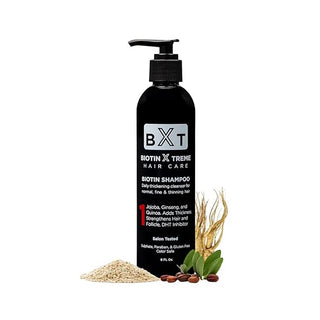
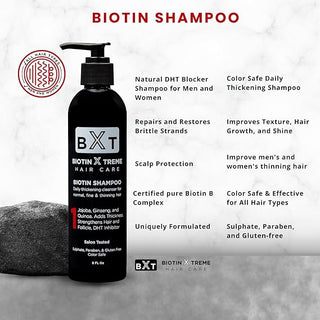
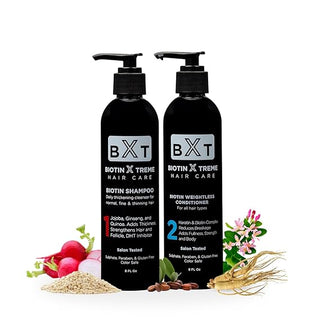
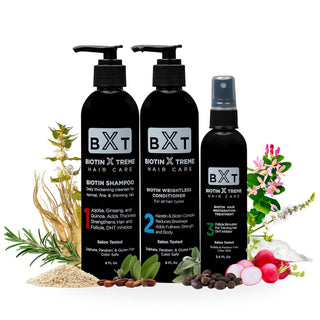
If you want a sulfate-free option for your regular cleansing routine, you can learn more about BXT Natural Biotin Shampoo.
Step 3: Rinse Thoroughly
Take enough time to remove both shampoo and loosened pigment.
Step 4: Repeat Only If Necessary
If you used a heavy or water-resistant layer of root cover, a second gentle shampoo may help.
Double cleansing is not necessary after every use.
Step 5: Condition the Lengths
Color-treated, dry or fragile hair may benefit from conditioning after washing.
Apply conditioner mainly through the mid-lengths and ends rather than heavily coating the scalp.
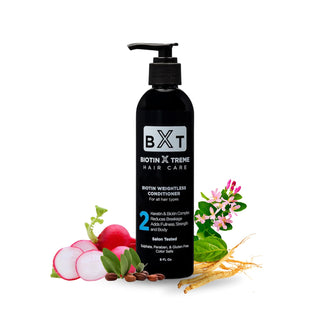
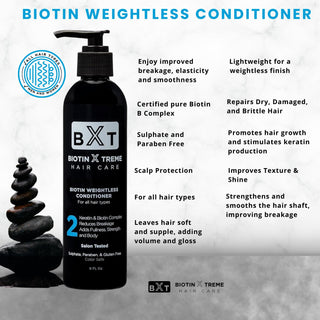
The BXT Biotin Keratin Conditioner can be paired with your regular cleansing routine.
For convenience, the shampoo and conditioner are also available together in the Biotin Shampoo and Conditioner Set.
Step 6: Detangle Gently
Do not aggressively pull a brush through wet or stiff hair.
Work slowly from the ends toward the roots.
How Often Can You Use Root Touch-Up Spray?
There is no scientifically established universal number of times per week that is right for everyone.
Instead, follow the manufacturer’s directions and pay attention to your scalp and hair.
If you use root touch-up frequently:
- Avoid continually layering new product over old product
- Shampoo often enough to remove buildup
- Use only as much product as necessary
- Stop if you develop ongoing itching, burning or redness
- Handle coated hair gently
If you are also trying to determine how frequently to wash your hair, see How Often Should I Use Biotin Shampoo?.
Can Root Spray Clog Hair Follicles?
It is more accurate to talk about scalp buildup than “clogged follicles.”
Temporary pigment, styling polymers, sebum and other cosmetic residue can accumulate on the scalp when products are repeatedly layered without cleansing.
This may make the scalp feel coated and may contribute to discomfort or irritation in some people.
However, there is not good evidence that normal use of root touch-up spray permanently blocks follicles or stops hair growth.
Regular, gentle cleansing is usually sufficient.
How Do I Properly Wash Out Root Touch-Up Powder?
Start with ordinary shampoo.
Massage gently at the roots using your fingertips, rinse thoroughly, and assess whether residue remains.
If you applied a particularly heavy layer, a second gentle wash may be useful.
There is usually no need to aggressively scrub the scalp or use an exfoliating treatment every time you wear root powder.
How to Reduce the Risk of Damage From Root Touch-Up
A few simple habits can protect fragile hair.
Use the Minimum Amount Needed
More product does not always create better coverage.
Start lightly and add more only where necessary.
Avoid Aggressive Scratching
Use your fingertips rather than fingernails when washing the roots.
Don’t Brush Through Stiff Hair Forcefully
If root spray has made the hair rigid, wash or gently loosen it before detangling.
Condition Dry or Processed Hair
Hair that has been bleached, colored or heat-styled may need additional conditioning.
For more guidance, see our article on choosing the best shampoo and conditioner for dry and frizzy hair.
Be Careful With Heat
Repeated high-temperature styling can contribute to cumulative hair-shaft damage.
Root touch-up does not protect the hair from heat.
Stop if Your Scalp Reacts
Ongoing itching, burning, redness or swelling is a reason to discontinue the product.
When to See a Dermatologist
Root-touch-up-related cosmetic issues are usually mild.
Seek professional evaluation if you notice:
- Sudden or severe shedding
- Bald patches
- Progressive thinning
- Persistent scalp itching
- Significant redness or inflammation
- Burning
- Swelling
- Pain or tenderness
- Scaling that does not improve
- Hair loss that continues even after stopping the product
A dermatologist can help determine whether you are dealing with cosmetic breakage, scalp irritation or an underlying hair-loss condition.
How Biotin Xtreme Hair Care Fits Into Your Routine
Root touch-up products are cosmetic concealers. They should not be confused with treatments for an underlying hair-loss condition.
Likewise, biotin shampoo should not be described as a guaranteed medical treatment for hair loss.
Biotin is one part of a broader hair-care formula. Evidence for biotin supplementation improving hair growth is limited when a true deficiency is not present.
You can read more in our guide, Is Biotin Shampoo Good for Hair Loss and Hair Growth?.
From a cosmetic hair-care perspective, the goal is to keep the scalp clean, minimize unnecessary breakage and keep the hair conditioned and manageable.
The BXT Natural Biotin Shampoo can be paired with the Biotin Keratin Conditioner as part of a regular cleansing and conditioning routine.
Frequently Asked Questions
Is root touch-up bad for your hair?
Not inherently. Temporary root touch-up sprays, powders and sticks are generally used on the surface of the hair. Problems are more likely when products are heavily over-applied, allowed to build up, cause irritation or are removed aggressively.
Does root touch-up damage hair?
It can contribute indirectly to dryness or breakage in some situations, particularly when hair is already fragile or when product-coated hair is brushed or scrubbed aggressively.
Does root touch-up spray damage hair?
Normal use is unlikely to cause significant structural damage for most people. Heavy buildup, irritation and rough handling are more important concerns.
Does root touch-up spray cause hair loss?
Temporary root-touch-up spray is not established as a typical direct cause of hair loss. If you are experiencing significant shedding, investigate other possible causes as well.
Can root touch-up spray cause hair loss?
There is no good evidence that normal use commonly causes hair loss. However, scalp irritation or repeated mechanical stress can complicate an existing hair or scalp problem.
Does root spray cause hair loss?
Root spray itself is not established as a common direct cause of hair loss. Persistent shedding may have another underlying cause.
Is root spray bad for your hair?
Not necessarily. Use it according to directions, avoid excessive buildup and remove it gently.
Does root spray damage hair?
It may make some hair feel dry or stiff, but temporary spray does not automatically mean hair damage. Rough brushing and removal can be more important sources of breakage.
Is root touch-up spray bad for your hair?
For most people, occasional use is unlikely to be harmful. Stop using the product if your scalp becomes persistently irritated.
Does root touch-up powder cause hair loss?
There is no established link between normal use of temporary root-touch-up powder and hair loss. Avoid heavy layering and cleanse the scalp regularly.
Does root touch-up powder damage hair?
Powder generally sits on the surface rather than chemically altering the hair shaft. Mechanical friction and existing hair fragility are more likely to contribute to breakage.
What are root touch-up powder side effects?
Possible effects include residue, a dry or powdery feel, transfer and irritation in sensitive users.
Is Clairol Root Touch-Up safe?
Temporary Clairol root-cover products are generally intended for cosmetic use and are not established as a common cause of hair loss when used as directed. Permanent root-color kits require the additional precautions associated with oxidative hair dye.
Is Clairol Root Touch-Up bad for your hair?
Not inherently. Follow the product directions and stop using it if you develop irritation or an allergic reaction.
Does L’Oréal Magic Root Cover Up cause hair loss?
There is no established evidence that normal use of L’Oréal Magic Root Cover Up directly causes hair loss.
What are L’Oréal Magic Root Cover Up side effects?
Possible effects include product residue, transfer, stiffness, dryness or irritation in sensitive users.
What are L’Oréal Magic Retouch side effects?
Possible effects are similar to other temporary root sprays, including residue, stiffness, transfer or irritation. Formulas can differ by market, so check the ingredient list on your specific product.
Is L’Oréal root touch-up bad for your hair?
Temporary root cover is not inherently bad for the hair. Problems are more likely with irritation, excessive application or aggressive removal.
Does root cover-up damage your hair?
Temporary root cover generally does not alter the hair in the same way permanent color does. However, repeated rough brushing, excessive buildup and irritation can contribute to cosmetic problems.
Does root concealer cause hair loss?
Temporary root concealer is not established as a direct cause of hair loss. If shedding continues, consider other possible causes.
Can root spray clog hair follicles?
It is better to describe this as scalp buildup. Residue can accumulate when product is repeatedly layered, but normal use is not established as permanently blocking follicles or stopping hair growth.
How do I properly wash out root touch-up powder?
Use shampoo and gently massage the root area with your fingertips. Rinse thoroughly. If significant residue remains after heavy application, a second gentle wash may help.
Are fiber-based hairline powders like Thick Fiber safe?
Hair-building fibers work differently from ordinary pigment powders. They attach to existing strands to make hair appear fuller. We have not independently tested every fiber product, but the same practical advice applies: avoid excessive buildup, wash regularly and stop use if irritation occurs.
How often can I use root touch-up spray without damaging my hair?
There is no universal evidence-based frequency. Follow the manufacturer’s directions, avoid continuously layering product without washing, and adjust your use if you notice dryness, stiffness or scalp irritation.
The Bottom Line
So, does root touch-up cause hair loss or damage hair?
For most people, temporary root touch-up sprays, powders and sticks are unlikely to directly cause hair loss when used properly.
The more realistic risks are:
- Product buildup
- Dryness
- Scalp irritation
- Allergic reactions
- Rough brushing
- Aggressive removal
- Breakage in already fragile hair
The safest approach is simple: use only as much root cover as you need, cleanse it regularly, handle your hair gently and stop using any product that causes persistent scalp irritation.
If your hair is shedding significantly, becoming progressively thinner or developing bald patches, do not assume the root concealer is the only cause. Hair loss has many possible explanations, and persistent changes should be evaluated by a qualified healthcare professional.
About the Author
Steve Haymes, Founder of Biotin Xtreme Hair Care
Steve Haymes brings more than 30 years of professional experience in the salon, hair-care and hair-loss industry. Biotin Xtreme Hair Care was developed from years of working with clients concerned about thinning, fragile, processed and difficult-to-manage hair.
The goal of BXT’s educational content is to combine practical salon experience with responsible hair-care information while clearly distinguishing cosmetic support from medical treatment.
Editorial note: This article provides general hair-care information and is not intended to diagnose, prevent or treat a medical condition. Sudden, severe, patchy or unexplained hair loss should be evaluated by a qualified healthcare professional.