How to Turn Grey Hair into Black Permanently Naturally?
Grey hair is a natural sign of aging for many people. However, for some, it can be a source of concern and embarrassment. There are many reasons why your hair may turn grey, including genetics, aging, stress, and underlying health issues. While there is no guaranteed way to reverse grey hair, many people have reported success with various remedies that claim to help restore natural pigment to the hair. Hair turns gray when melanocytes stop producing pigments that give color to the hair. In some cases, such as stress-induced graying, hair color can return, and the process is reversible when the underlying cause is addressed, but this is not typical.
Whether you’re in your 30s and spotting the first strands of silver or further along the path, the question, “Can grey hair turn black again?”, remains a common one. And it’s no wonder—restoring your natural hair color can feel like regaining a part of your identity. However, restoring grey hair to a natural black color permanently is generally not scientifically proven, as graying is usually a natural loss of melanin.
In this blog post, we’ll explore some of the most popular ways to turn your grey hair back to black and offer some insights into the science behind them. Natural remedies may only slow the greying process and are not a guaranteed permanent solution to reversing grey hair. There are no clinically proven or reliable treatments to stop the natural graying of hair as we age.
Why Does Our Hair Turn Grey? Understanding the Causes
As we age, our hair undergoes a multitude of changes – and one of those is turning grey. Though grey hair is often considered a symbol of wisdom, it can also spark feelings of worry and insecurity in many. But why do our locks lose their natural color, and is there anything we can do to stop it from happening? Hair color is determined by pigments, primarily melanin, produced by melanocytes in the hair follicle.
The gradual loss of melanocytes and melanocyte stem cells is a natural part of the aging process.
Common Causes of Greying Hair
Natural Aging Process
The most common cause of grey hair is simply the natural aging process. As we grow older, the hair follicles begin to produce less pigment, leading to a loss of color. While this can begin as early as our twenties, most people will start to notice grey hairs in their thirties or forties. It is estimated that most people will notice their first gray hairs in their thirties or forties. Hair turns gray when melanocytes stop producing pigments that give color to the hair. Unfortunately, there’s not much we can do to stop this process – it’s a natural and inevitable part of aging.
Genetics
Another leading cause of grey hair is genetics. Just like eye and skin color, hair color is also largely determined by our genes. If your parents or grandparents experienced grey hair at an early age, chances are, you may too. In fact, the vast majority of early greying cases are influenced by genetic factors. While there’s not much we can do to change our genetics, being aware of this factor can help us mentally prepare for the process of greying.
Stress
While it may sound like an old wives’ tale, stress can impact the pigmentation of our hair. It is true that stress can accelerate the graying process by pushing hair follicles over a threshold of pigment loss.
Research has shown that high levels of stress can lead to an overproduction of hydrogen peroxide in the hair follicles, which can bleach the hair from the inside out and cause it to turn grey prematurely. Periods of intense stress can trigger problems in melanocyte cells that lead to early graying.
However, managing stress through relaxation techniques like meditation or exercise may help prevent this from happening. Chronic stress can lead to premature greying, and removing the stressor may allow hair to return to its original color.
Hair color can be restored when stress is eliminated, suggesting that graying may be reversible under certain conditions. Some individuals have experienced spontaneous regrowth or re-pigmentation of hair color after periods of stress relief, and research has shown hair can regain its color after stress is alleviated, demonstrating that stress-induced graying is a true and reversible phenomenon.
Poor Diet
A diet lacking in key nutrients like vitamin B12, iron, and folic acid can also contribute to premature greying. These nutrients are essential for hair health, and without them, we may notice our hair turning grey more quickly. To prevent this, make sure to eat a well-balanced diet rich in fruits, vegetables, and lean proteins.
Smoking
Smoking also has a negative impact on our hair health, as it reduces blood flow to the hair follicles and introduces harmful toxins into the body. Pollution and heavy metal exposure can also contribute to premature greying by interrupting the absorption and metabolism of essential minerals. This can cause premature greying as well as hair loss. Quitting smoking can help improve overall hair health and potentially prevent or slow down the greying process.
While greying hair is a natural and inevitable part of the aging process, there are steps we can take to prevent it from happening prematurely or reduce its impact. Taking care of our bodies through a well-balanced diet, regular exercise, and stress management can help preserve our natural hair color for longer. While we can’t control our genetics, being aware of our family history can help us better understand what to expect. By making these simple lifestyle changes, we can keep our hair looking and feeling healthy for years to come.
Can Grey Hair Be Reversed? Science Speaks
Can We Turn Grey Hair to Black?
The short answer is, that reversing grey hair naturally and permanently is not scientifically proven for everyone. That said, certain conditions may temporarily restore pigmentation.
For example, if greying is caused by a vitamin deficiency, stress, or an underlying medical condition, addressing these issues may slow or even partially reverse greying. However, the complete reversal of naturally aged hair remains a challenge.
What Research Tells Us
Studies suggest that boosting hair health and melanin production is possible through a combination of nutrition, supplements, and mindfulness practices. While results vary, improvements in hair strength, texture, and even color vibrancy have been observed in some cases.
How to Turn Grey Hair into Black Permanently Naturally (If Possible)
Natural remedies have long been a go-to for promoting healthier, darker hair. While these methods may not guarantee a full reversal, they can enhance your hair’s overall appearance and strength. Using black tea or coffee as a rinse can darken hair over time. The root of the hair is where pigment regrowth or reversal can occur, and maintaining root health is important for restoring color.
-
Amla (Indian Gooseberry)
Rich in vitamin C, Amla is a popular remedy for hair health. Consuming it or using hair oils infused with Amla may stimulate melanocyte activity and improve pigmentation. Boiling dried amla in coconut oil until it turns black can nourish the scalp and darken hair.
-
Curry Leaves
Curry leaves contain beta-carotene and antioxidants, which support melanin production. Boil curry leaves in coconut oil and apply them to your scalp regularly for best results. Traditional practices use curry leaves in oil to darken hair or nourish the scalp, thought to delay greying.
-
Coconut Oil & Lemon Juice Mix
Massage a mixture of coconut oil and freshly squeezed lemon juice into your scalp. This remedy nourishes and moisturizes your hair while protecting against build-up that could harm follicles.
-
Onion Juice
Rich in catalase, an enzyme believed to reduce hydrogen peroxide build-up in hair (a factor in greying), onion juice might promote healthier pigmentation. Onion juice, rich in catalase, is used topically to counteract hydrogen peroxide buildup that bleaches hair.
-
Herbal Hair Masks
DIY masks using natural ingredients like hibiscus, fenugreek, or henna can strengthen hair and give it a natural boost of color. Common ingredients in homemade hair masks include coconut oil, lemon juice, and essential oils.
Natural hair dyes such as henna and Indian gooseberry are options to consider for restoring hair color.
Consuming a tablespoon of black sesame seeds two to three times a week may help convert white hair to black by stimulating melanin.
Note
Natural remedies require patience and consistency. It’s essential to pair them with a healthy lifestyle for long-term results.
Can White Hair Turn Black Again? Nutrition and Supplements Matter
The path to healthy hair starts from within. Enhancing your diet with nutrient-rich foods can work wonders for hair pigmentation.
Actionable Tips: Include foods high in B vitamins, iron, copper, and antioxidants. Consuming a tablespoon of black sesame seeds two to three times a week may help convert white hair to black. Consider supplements if you have deficiencies, but consult a healthcare professional first.
Keep in mind that dietary changes and supplements may take several weeks or even months to show visible results.
Key Nutrients for Hair Pigmentation
-
Biotin (Vitamin B7): Essential for keratin production and and strengthening hair follicles.
-
Vitamin B12 & Vitamin D: Support melanin production and overall scalp health.
-
Zinc, Iron, and Copper: Crucial minerals that maintain melanin levels and prevent premature greying.
Actionable Tips
-
Incorporate foods like spinach, eggs, nuts, and citrus fruits.
-
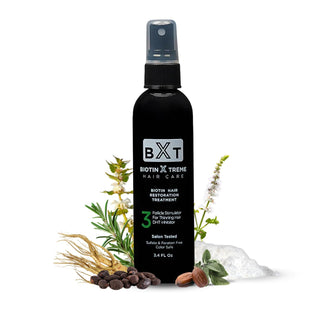
Consider supplements like Biotin Xtreme Hair Care, which nourishes the scalp and promotes healthy hair growth.
Medical Conditions and Hair Health
When it comes to gray hair, medical conditions can play a surprisingly significant role in the process. Researchers have found that certain health issues—such as thyroid disorders, vitamin deficiencies, and autoimmune diseases—can directly affect the hair growth cycle and lead to premature gray hair or even changes in hair texture. For example, a study found that individuals with lower levels of vitamin B12, a key nutrient for melanin production, were more likely to experience premature gray hair. This highlights just how important a balanced diet rich in essential vitamins and minerals is for maintaining vibrant hair color and overall hair health.
Deficiencies in nutrients like vitamin B12, iron, and folic acid can disrupt the normal graying process and make hair more susceptible to turning gray earlier than expected. In addition, underlying health conditions such as anemia, diabetes, and rheumatoid arthritis can also affect hair health, sometimes leading to both hair loss and changes in color. In many cases, addressing these deficiencies or treating the underlying health condition can help slow, or even partially reverse, the effects on your hair.
Genetics also play a powerful role in determining how resilient your hair is to graying. Scientists have found that some people are genetically predisposed to maintain their natural hair color longer, while others may notice gray hair appearing earlier in life. These genetic factors influence how your body produces melanin, the pigment responsible for hair color, and can even affect how your hair responds to environmental stressors.
Recent reviews of the scientific literature suggest that stress is another key factor that can accelerate the graying process. High stress levels can impact circulation and nutrient delivery to hair follicles, leading to premature gray hair. Fortunately, managing stress through techniques like meditation, yoga, or regular exercise can help slow down this process and support healthier hair.
If you’re considering using hair dye or other treatments to darken or cover gray hair, it’s important to consult with a healthcare provider—especially if you have underlying health conditions. Some chemicals in hair dye can interact with certain medical conditions or medications, so professional guidance is always recommended.
Ultimately, maintaining healthy, resilient hair is about more than just what you put on your scalp. A balanced diet, proper nutrition, stress management, and regular check-ups with your healthcare provider all play a role in supporting your hair’s natural color and strength. By understanding how medical conditions and lifestyle factors affect your hair, you can take proactive steps to slow the graying process and keep your hair looking its best for years to come.
Other Solutions for Managing Grey Hair
While reversing grey hair naturally can take time (with no guaranteed results), there are other ways to manage it effectively.
Alternative Recommendations
-
Natural Dyes: Semi-permanent organic dyes can mask greys without harming your hair.
-
Salon Treatments: Professional coloring techniques ensure even coverage and long-lasting results.
-
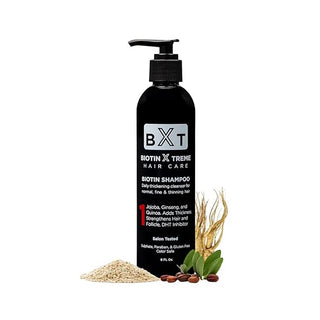
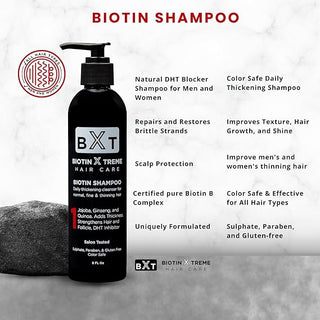
Sulfate- and Paraben-Free Products: Biotin Xtreme Hair Care products are gentle on sensitive hair while promoting growth and vibrancy. Natural hair care products are made with natural, non-toxic ingredients that provide deep nourishment to the hair and scalp. Biotin shampoo, for example, contains biotin, a B vitamin that helps in the synthesis of amino acids that form keratin. This strengthens hair strands, reduces breakage, and promotes hair growth.
Preventative Measures
-
Minimize stress by using meditation or exercise.
-
Avoid harsh shampoos that weaken your hair.
-
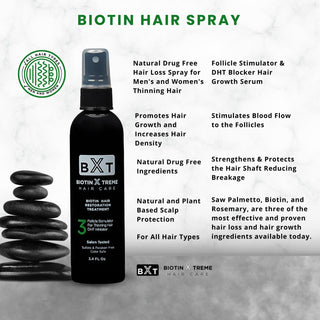
Reduce DHT production, a common factor in hair thinning, with targeted treatments like Biotin Xtreme Restoration Spray.
-
Avoid Harsh Chemicals: Excessive use of chemicals, such as hair dyes that contain ammonia and peroxide, can cause severe damage to hair. It can lead to dryness, breakage, split ends, and premature graying. So, it's best to use chemical-free hair products that are gentle on hair and scalp.
Building a Healthy Hair Care Routine
Creating a sustainable routine is critical to supporting healthy growth, preventing further greying, and maintaining your current color.
Suggested Steps:
-
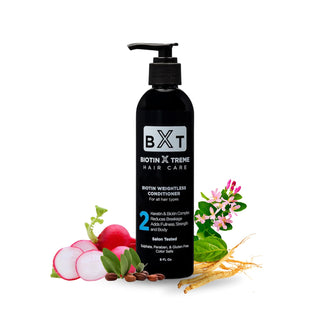
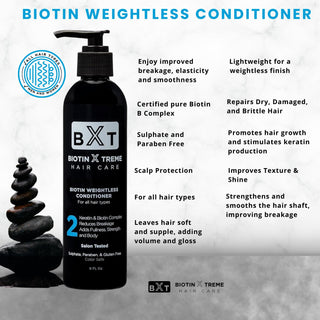
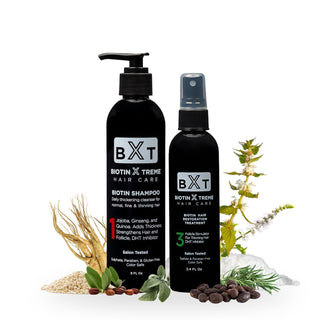
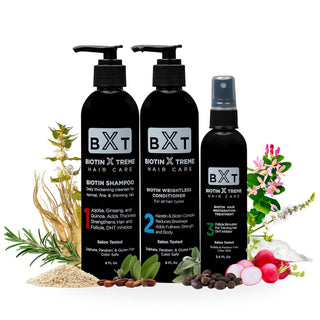
Use Biotin Xtreme Shampoo and Conditioner to cleanse and nourish your hair without harsh chemicals.
-
Apply the Biotin Hair Restoration Spray to stimulate follicles and reduce DHT.
-
Avoid heat styling tools, focus on scalp massages—paying special attention to specific areas of the scalp each week may help promote hair health—and opt for satin pillowcases to reduce breakage.
Finding Balance with Realistic Expectations
While reversing grey hair entirely may not be feasible for everyone, the good news is that you can slow down the process, manage your greys, and promote healthier locks. The vast majority of people will experience gray hair as a normal part of aging. Alternatively, many individuals today are proudly embracing their silver strands as a symbol of wisdom and confidence.
Remember, the goal is not perfection but progress. Healthy, well-maintained hair—whether black, brown, or grey—can help you look and feel your best.
Do Gray Hairs Have to be Inevitable? Tips on Preventing Premature Gray Hair
Fortunately, there are ways to slow down this process or even prevent it from happening altogether.
As we age, gray hairs tend to make their inevitable appearance. However, is it inevitable? Many factors contribute to premature graying, including stress, genetics, and even poor nutrition. While some of these factors cannot be controlled, some steps can be taken to prevent or slow down the graying process. Regular exercise, a balanced diet, and avoiding smoking and excessive alcohol consumption can all contribute to overall hair health. Additionally, minimizing stress through relaxation techniques or therapy can also help slow down the graying process. With a little effort, it may be possible to keep those gray hairs at bay for a little while longer.
In conclusion, there are many ways in which you can try to reverse grey hair or at least slow down the process. However, it’s important to remember that there’s no sure-fire way to do so, and results may vary. Hence, it is best to take a holistic approach by incorporating healthy lifestyle choices and asking for professional help before trying out any treatments. At the end of the day, embracing yourself and your natural hair is far more important than hiding or reversing greys. Remember that grey hair is a normal part of aging, and it can be a beautiful one, too.
Grey Hair Solutions, from natural remedies to expert-curated hair care routines, offers a blend of scientific and holistic approaches to managing greying hair. Start by enriching your diet, incorporating natural treatments like amla and onion juice, and leveraging expert products like Biotin Xtreme Hair Care to maintain scalp health and vibrant hair color.
We encourage you to share your experiences and tips for preventing premature gray hair in the comments below to help others on their journey.
FAQs
Can grey hair turn black again naturally?
In some cases, grey hair caused by factors like stress or nutritional deficiencies may regain its natural color when these issues are addressed. However, permanent reversal of grey hair due to genetics or aging is generally not scientifically proven.
What causes premature hair graying?
Premature hair graying can result from genetic predisposition, nutritional deficiencies (such as vitamin B12, iron, and zinc), chronic stress, smoking, and certain medical conditions.
How does psychological stress affect hair pigmentation?
Psychological stress can accelerate hair graying by affecting melanocyte function and increasing oxidative stress in hair follicles. Reducing stress may help slow down or partially reverse premature graying in some individuals.
Are there supplements that help reverse gray hair?
Supplements containing biotin, zinc, selenium, and vitamins B12 and D3 may help if a deficiency is the root cause of premature graying. However, supplements are unlikely to reverse gray hair caused by genetics or natural aging.
Can hair pigmentation patterns provide a physical record of stress?
Yes, studies have shown that hair pigmentation patterns can reflect periods of psychological stress and well-being, acting as a physical record of an individual's biological history.
What medical conditions can lead to premature gray hair?
Conditions such as thyroid disorders, anemia, autoimmune diseases, and vitamin deficiencies can disrupt normal hair pigmentation and lead to premature gray hair.
Is it possible to permanently turn grey hair into black hair naturally?
While some natural remedies and lifestyle changes may improve hair health and slow graying, there is currently no scientifically proven method to permanently turn grey hair black naturally.
How can I reduce the risk of premature gray hair?
Maintaining a balanced diet, managing psychological stress, avoiding smoking, and ensuring proper scalp circulation through massage can help reduce the risk of premature gray hair.
Can hair dye permanently restore natural hair color?
Hair dyes can effectively cover gray hair but do not restore natural pigment. Some natural dyes like henna may be gentler but still do not reverse the biological process of graying.
How do hair follicles contribute to hair color?
Hair follicles contain melanocytes that produce melanin, the pigment responsible for hair color. When melanocytes stop producing melanin, hair turns gray or white.