Don't we all love a fresh hairline without the greys? The world of hair care is dynamic and bourgeoning. Quick and temporary hair colors are easy options to cover grey roots and maintain a polished look between salon visits. But are these products secretly sabotaging your roots? Does root touch up damage hair? Are root touch up sprays bad for your hair?
These concerns about the potential side effects are likely to arise, especially as cases of balding are rising globally. In this article, we will look at the causes of hair loss and whether root touch-up products are a likely contributor.
What is a Root Touch Up Spray Product?
A root touch up product is a hair color product designed to provide a quick solution for covering the grey roots of new hair growth. A variety of these at-home products are now available on the market, including sprays, powder, sticks, and full-dye kits, with sprays often working best for larger areas of regrowth and powders or sticks being better for small spots or individual strands. Many users choose them for their convenience. These are semi-permanent or temporary dyes that work by placing color pigment in the mane, helping a root cover blend more naturally when you choose the right shade for your hair color. Understanding if root touch up is safe is important before use.
Factors That Increase the Risk of Hair Loss
On average, one may lose “50-100” strands of hair daily. This is a natural process by which new hair grows in place of old hair. However, if you are shedding more hair than normal, with subsequent in thinning or baldness, it may be for other reasons.
Hair loss can transpire because of nutritional deficiencies, hormonal imbalance, age, or even medical conditions. Baldness is often linked with genetics, especially in menfolk.
Even though root touch-up products are not directly responsible for hair loss, prolonged and recurrent use may wane hair shafts often damages hair follicles, resulting in brittleness, where hair loses volume.
From time to time, chemical hair treatments can also lead to hair loss. The chemicals used in hair dyes, such as ammonia, can sometimes cause damage, resulting in hair breakage and thinning. It If you are unexpectedly losing hair at a faster rate, consult a dermatologist or trichologist. It will help identify the primary cause and receive personalized treatment.
What Are the Side Effects of Root Touch-Up Hair Dye?
Root touch-up products are generally safe, but they may occasionally cause side effects. This is important to know when asking, "is root touch up safe?"
-
Dryness and Brittleness: These products can strip hair of its natural oil, leaving it dry and brittle.
-
Weakened hair structure: Frequent use of these products can weaken the hair shaft, potentially leading to increased hair fall.
-
Hair loss: Excessive use of root touch-up products can cause hair thinning and increase hair shedding as the hair follicles become weak.
-
Color build-up: With time, it can cause color build-up, resulting in scalp issues.
How to Minimize Damage
Protecting your hair while using hair coloring agents is important. Follow these tips to minimize damaging your crowning glory.
-
Select the right products: A wide range of ammonia-free products is available on the market. Opt for beneficial and gentle formulas explicitly designed for your hair type, and apply in small amounts gradually to achieve a natural finish instead of over-applying at once.
-
Practice pre-dye treatment: Pamper your hair with a deep conditioning hair mask to hydrate and reinforce your hair. A good tip is to deep condition regularly to help minimize dryness from touch-ups.
-
Avoid hair washing before dyeing: Hair washing strips your hair of its natural oils, making it dry.
-
Avoid heat styling: Use heat protection serums to minimize damage.
-
Avoid over-coloring: Frequent dyeing can damage hair follicles. Limit treatments to new growth and space sessions about 4 to 6 weeks apart so your hair has time to repair between dyeing sessions. This is crucial to prevent damage and potential hair loss.
-
Hydrate: Maintain a daily water intake for healthy, beautiful locks.
-
Nourish: Maintain healthy hair with a balanced diet, nutrient-rich supplements, and nourishing hair products.
-
Biotin: Use biotin rich products that improve your hair naturally.
When to See a Dermatologist or Trichologist
Depending on your condition and symptoms, especially if you are concerned about whether a root touch up product caused the problem, you may consider visiting and consulting with a dermatologist or a trichologist. If you are uncertain whether hair loss is caused by a root touch up product, it is best to seek specialized help as soon as possible.
Visiting a doctor is suggested if you are undergoing any of the following symptoms.
-
Severe or persistent hair fall: A dermatologist can help detect the primary cause.
-
Scalp problem: If there is persistent itching, tenderness, inflammation, or flaking on your scalp. If the itching or redness continues, or you notice signs of an allergic reaction after a root touch-up, get medical help quickly.
-
Other concerning symptoms: Patches of baldness, change in hair texture or color, or tenderness of the scalp. Likewise, if you have lumps, bumps, or pain in your scale, the time is right to visit a doctor.
How Biotin Extreme Hair Care Can Help
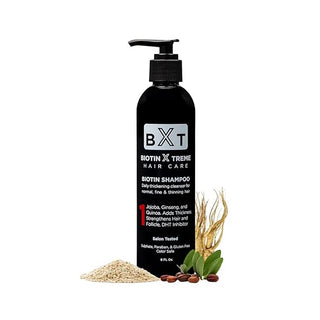
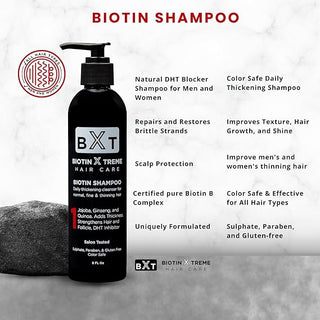
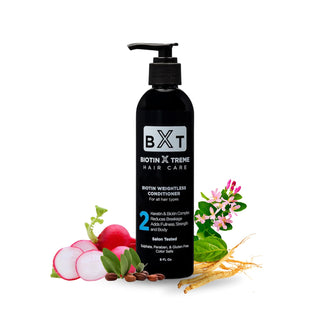
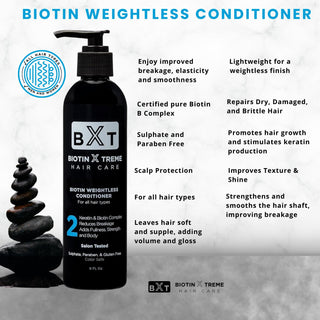
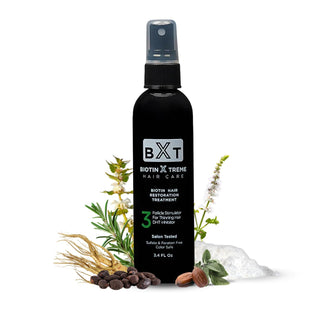
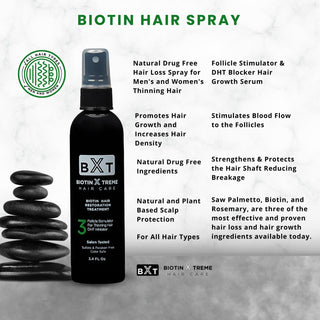
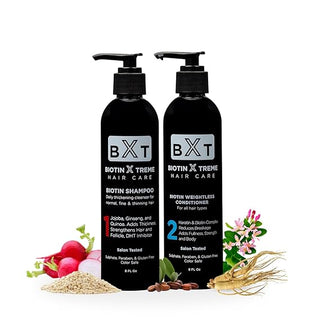
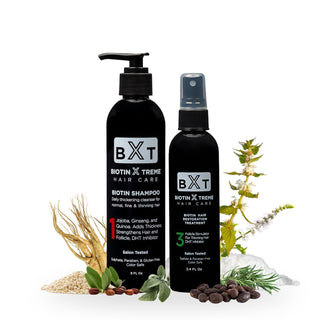
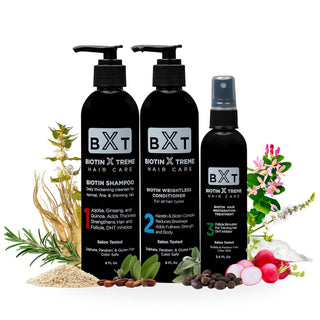
Biotin is a familiar constituent for fighting hair fall and promoting hair health. The biotin-enriched blend promotes natural growth, encourages healthy hair cycles, thus making your hair appear better. With consistent use of Biotin Xtreme shampoo, Biotin conditioner and Biotin hair serum, you create a defensive barrier that reduces damage from hair color and root touch up products.
Biotin Xtreme hair care products include a combination of pure natural ingredients, minerals, and vitamins that improve scalp health, increase hair growth, and repair damaged follicles, making your hair thicker and fuller.
FAQs
Does root touch up make hair fall out?
Root touch up products are generally safe, and many people use them to quickly cover gray hairs between color appointments. However, temporary powders and sprays usually do not contain harsh chemicals, so they are less likely to cause structural damage than stronger dye formulas, though heavy daily use can leave buildup on the scalp. If you experience burning, inflammation, or tenderness on your scalp or notice unnecessary hair loss, consulting a dermatologist or trichologist is highly advisable.
Can frequent use of a root touch up product cause hair loss?
It is crucial to be mindful enough when picking hair care products. Select products that nourish your hair with high-quality haircare ingredients. Yes, frequent or aggressive use of chemically laden touch-up products can bother your scalp. A root touch up spray can also create buildup on the hair and scalp, especially when it is used often and not washed out thoroughly. Leftover temporary product from a root spray may clog follicles and interfere with healthy hair growth. Some formulas are more effective than others, but repeated use may still mean extra cleansing to remove residue, which can further stress the hair. Application can also create a mess if too much product lands on the scalp or surrounding hair. Results vary: some offer great coverage for a day or several days, while others last as long as three weeks depending on the formula and hair growth rate. It can trigger tenderness or itching and possibly cause hair damage.
When should I see a doctor about hair loss after root touch up?
If you notice an abrupt increase in hair loss that spreads beyond a few days or any other concerning signs, you should seek proficient help.
Can using nourishing products like Biotin Xtreme help reduce damage from root touch ups?
Yes, products rich in Biotin and further good constituents will help advance scalp health, support hair roots, nurture your hair, and overall promote healthy hair growth.