Quick answer: Topical biotin has scientific evidence supporting hair growth, especially for people who aren't deficient. Biotin's role in keratin production is mainly internal, and it struggles to penetrate the scalp deeply enough to reach hair follicles. It may help moisturize a dry scalp, but proven options like rosemary oil, panax ginseng, and jojoba do work with biotin for growth.
Biotin shows up everywhere—shampoos, conditioners, scalp sprays, and supplement bottles. The marketing promises thicker, longer, fuller hair. But does rubbing biotin into your scalp actually deliver those results?
This post breaks down what the science really says about topical biotin treatments. You'll learn how biotin works in the body, why it struggles to penetrate the scalp, when supplements might help, and which alternative ingredients have stronger evidence behind them. By the end, you'll know exactly what to look for when shopping for hair products—and what claims to take with a grain of salt.
Key Takeaways
- Biotin is a B vitamin important for making keratin, a key protein in hair.
- Biotin deficiency is rare in people who eat a balanced diet.
- Oral biotin supplements might help if you have a deficiency, but they can interfere with lab tests.
- Other ingredients like rosemary oil or saw palmetto, when used with biotin may be more effective for hair growth.
Understanding Biotin's Role in Hair Health
What Is Biotin?
Biotin, also known as vitamin B7, is a water-soluble vitamin that's part of the B complex group. It's found naturally in some foods and is also available as a dietary supplement. You'll often see it mentioned in discussions about hair and skin health, and it's a common ingredient in many biotin hair and scalp treatment products.
Biotin's Function in the Body
In the body, biotin plays a role in several metabolic processes. It helps convert the food we eat into energy. Think of it as a helper for your body's energy production system. It's also important for maintaining healthy skin, eyes, liver, and nervous system function. While it's essential for overall health, its direct impact on hair growth in people who aren't deficient is where things get a bit murky.
Biotin and Keratin Production
One of the main reasons biotin is linked to hair health is its involvement in producing keratin. Keratin is the protein that makes up your hair, skin, and nails. Because biotin helps in the creation of this building block, it's logical to think that more biotin means stronger, healthier hair.
Does topical biotin actually work on the scalp?
When you see biotin on a hair product label, it's usually because it's thought to help with hair health. It's a B vitamin, and our bodies need it for things like energy and keeping our skin, hair, and nails in good shape. It's also a building block for keratin, the protein that makes up your hair. So, it makes sense why people think slathering it on their scalp might do wonders.
Why the evidence for topical biotin is limited
Here's the thing: while biotin is important internally, the idea that a topical biotin treatment for the scalp actually makes a big difference for hair growth is, well, not strongly supported by science. Most of the research showing biotin helps hair growth is linked to people who were actually deficient in it. For folks who already get enough biotin from their diet, applying it to the scalp might not do much in terms of making hair grow thicker or faster. It's kind of like trying to water a plant that's already perfectly hydrated – it just doesn't absorb more.
Can biotin even reach the hair follicle?
This is one of the biggest questions. Hair grows from the follicle, which sits deep within the scalp, while the visible hair shaft is mostly dead cells. Topical ingredients—especially larger molecules like biotin—have a hard time penetrating deeply enough to influence follicle activity.
Some experts believe that if your hair looks better after using a biotin scalp treatment, the credit probably belongs to other ingredients in the product. Conditioning agents, for example, coat the hair shaft and make it feel smoother and look fuller. That's a temporary cosmetic effect, not new growth from the root.
Can biotin help with scalp hydration?
If topical biotin isn't great for growth, what can it do? It may offer some benefits for your scalp's skin. Biotin can help keep the scalp moisturized, which is welcome news if you deal with dryness or flaking. Think of it as a skincare perk for your scalp rather than a hair growth solution. A healthier scalp environment could indirectly support better hair, even if the biotin itself isn't sparking new strands.
Here's a quick look at what we've discussed:
- Growth Claims: Limited scientific backing for hair growth in non-deficient individuals.
- Penetration Issues: Difficulty for biotin to reach and affect hair follicles from topical application.
- Scalp Hydration: Potential benefit for moisturizing the scalp, which can improve comfort.
While the marketing for biotin hair products often promises thicker, longer hair, the scientific reality for topical application is more nuanced. The primary role of biotin in hair health is internal, and its effectiveness when applied to the scalp for growth is not well-established. Any perceived benefits might stem from other ingredients or temporary cosmetic effects.
Should you take biotin supplements instead of applying it topically?
You might wonder whether popping a biotin pill beats rubbing it on your scalp. It's a fair question, especially when biotin appears in everything from your vitamins to your shampoo. Let's break it down.
When biotin supplements may help
Taking biotin supplements might actually make a difference if you have a diagnosed biotin deficiency. This is pretty rare in healthy people who eat a balanced diet, but it can happen. Think of it like this: if your body isn't getting enough of a building block, giving it more can help fix the problem. However, if you're already getting enough biotin from your food, taking extra supplements probably won't do much. Your body flushes out what it doesn't need. It's not like you'll suddenly grow Rapunzel-level hair just because you took a mega-dose.
How common is biotin deficiency?
Seriously, biotin deficiency isn't something most people need to worry about. You'd have to have a pretty specific reason, like certain genetic conditions, heavy alcohol use, or maybe pregnancy, to be at a higher risk. Most of us get plenty of biotin from everyday foods like eggs, nuts, and sweet potatoes. So, unless a doctor tells you you're deficient, you're likely getting enough.
How biotin supplements can interfere with lab tests
Here's a sneaky thing about taking biotin supplements: they can mess with your lab results. High levels of biotin in your blood can make certain tests, like those for thyroid function or heart health, look weird. It doesn't mean you're actually sick, but it can lead to confusion. So, if you're taking biotin, always tell your doctor before you get any blood work done. It's a simple step that can save a lot of unnecessary worry. Some products, like a Biotin DHT Blocker Spray, might also contain biotin, so it's good to be aware of all your biotin intake.
How do you know if you have a biotin deficiency?
Signs and Symptoms of Deficiency
So, how do you know if you're actually not getting enough biotin? It's pretty rare, honestly. Most people who eat a decent diet don't end up with a deficiency. But if you are experiencing one, there are a few things to look out for. You might notice your hair getting thinner, which is a big one for people looking into biotin treatments in the first place. Beyond hair, you could see a red, scaly rash, often around your eyes, nose, and mouth. Sometimes, people report brittle nails, which makes sense since biotin is linked to nail health too. On the more serious side, there can be neurological symptoms like feeling down, seeing things that aren't there, or just feeling really sluggish. In very rare cases, seizures or skin infections can pop up.
Who's most at risk of low biotin?
While it's uncommon, certain things can make you more likely to have low biotin levels. If you're a heavy drinker, that can mess with how your body absorbs biotin. Pregnancy and breastfeeding can also change things up, as your body might use more biotin or absorb less. There's also a rare genetic disorder called biotinidase deficiency, where your body just can't release biotin properly. It's not super common, but it's a factor. Even if you're using products like a Biotin DHT Blocker Spray, if you have an underlying deficiency, it's unlikely to solve the root problem.
When should you see a doctor about hair thinning?
If you're seeing a lot of hair thinning that seems out of the blue, or you're experiencing any of the other symptoms we just talked about, it's definitely worth a chat with your doctor. They can figure out if it's actually a biotin deficiency or something else entirely. It's important to tell them if you're taking any supplements, even biotin, because high levels can sometimes mess with certain lab tests, like those for thyroid or heart function. Getting a proper diagnosis is key before you start trying a bunch of different treatments.
Alternative and Complementary Hair Growth Strategies
So, you've looked into biotin for your scalp and maybe even tried a Biotin Keratin Conditioner, but what else is out there? It turns out, there are quite a few other things you can try if you're looking to give your hair a boost. Sometimes, it's not just about one ingredient; it's about a whole routine and finding what works best for your specific hair and scalp needs.
Expert-Recommended Hair Growth Products
When you're serious about hair growth, looking at what the pros use can be a good starting point. Dermatologists and hairstylists often point to products that focus on scalp health and follicle stimulation. These aren't always the flashiest products, but they tend to have ingredients that are backed by some science.
- Scalp serums often contain peptides and plant extracts designed to improve hair density and reduce hair fall. Think of them as targeted treatments for your scalp.
- Specialized shampoos can help clear buildup and create a better environment for hair to grow. Some are formulated with ingredients that aim to strengthen hair from the root.
- Oils and treatments that increase scalp circulation can also be beneficial, bringing more nutrients to your hair follicles.
Does rosemary oil really work for hair growth?
Lately, rosemary oil has been getting a lot of buzz, and for good reason. Some studies suggest it might be as effective as minoxidil for hair growth, which is pretty impressive. It's thought to work by improving blood circulation in the scalp, which helps deliver more oxygen and nutrients to your hair follicles. Plus, it often smells pretty nice, which is a bonus.
- How to use it: You can find rosemary oil mixed into various hair products, or you can use pure rosemary essential oil diluted with a carrier oil like jojoba or coconut oil. Apply it directly to your scalp and massage it in.
- Frequency: Many people use it a few times a week, or even daily, depending on the product and their hair's reaction.
- What to look for: Some products combine rosemary oil with other beneficial ingredients like biotin or castor oil for an extra punch.
Can caffeine and other stimulating ingredients help?
Caffeine isn't just for your morning coffee; it can also be a friend to your scalp. When applied topically, caffeine is believed to stimulate hair follicles and potentially encourage hair growth. It's thought to do this by increasing blood flow to the scalp, similar to rosemary oil. Other ingredients that aim to stimulate the scalp include things like peppermint oil or certain plant extracts that create a tingling sensation, signaling increased activity.
It's important to remember that while these ingredients can be helpful, consistency is key. You're unlikely to see results overnight. Sticking with a routine and giving your scalp and hair time to respond is usually the best approach.
Some products might combine several of these stimulating ingredients. For example, you might find a shampoo or a leave-in treatment that lists caffeine, rosemary extract, and maybe even some peptides all in one bottle. The idea is to create a multi-pronged approach to scalp and hair health, rather than relying on a single ingredient.
How do you choose a good biotin hair product?
So, you're looking at hair products and see 'biotin' listed as a key ingredient. It's everywhere, right? From your shower to your supplement cabinet. But when you're picking out a shampoo or conditioner, what should you really be looking for? It's not always as straightforward as it seems.
Ingredients That May Mimic Thickness
Sometimes, a product might make your hair feel thicker or look fuller, and it's not necessarily the biotin doing the heavy lifting. Other ingredients can coat the hair shaft, giving it a temporary boost in volume and a smoother feel. Think of it like a temporary styling trick rather than a deep treatment. While this can make your hair look good in the short term, it's important to know that this effect is usually superficial and doesn't address the root cause of thinning or hair health.
Formulations for Scalp and Hair Health
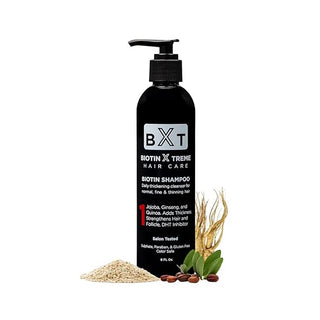
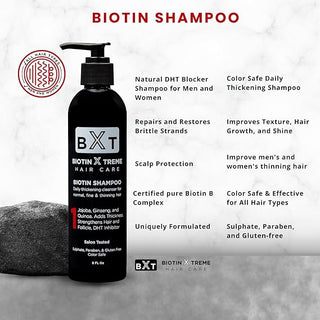
While the jury is still out on biotin's direct impact on hair growth when applied topically, some formulations can be beneficial for your scalp. A good shampoo or conditioner, even if it contains biotin, might also have moisturizing agents or other vitamins that help keep your scalp hydrated. A healthy scalp is, after all, the foundation for healthy hair. So, even if the biotin itself isn't a miracle worker for growth, the overall product might still contribute positively to your hair's environment. A Natural Biotin Shampoo, for example, might also contain soothing botanical extracts that calm an irritated scalp.
Considering the Overall Product Blend
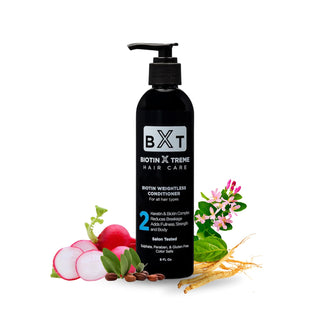
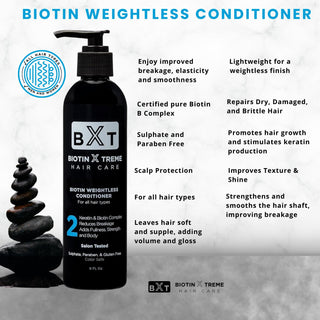
When you're choosing a product, don't just focus on one ingredient. Look at the whole list. Does the product have other beneficial ingredients like proteins, vitamins, or natural oils? For instance, a Biotin Keratin Conditioner might combine biotin with keratin to potentially support hair structure. It's the combination of ingredients that often makes the difference. If a product is loaded with silicones that coat the hair, or if it lacks other nourishing components, the biotin might be lost in the mix. It's about finding a well-rounded formula that supports both your hair and scalp health.
Conclusion
So, does biotin work as a topical scalp treatment? The short answer is: probably not for hair growth. While biotin is super important for making keratin, the protein that makes up your hair, applying it to your scalp in shampoos or oils doesn't seem to make a big difference for most people. The science just isn't there to back it up. If you're not getting enough biotin from your food, a supplement might help, but that's pretty rare. Topical biotin might give your scalp a little moisture, which is nice if it's dry, but don't expect miracles for thinning hair. For actual hair growth, you might have better luck with ingredients like rosemary oil or proven treatments like minoxidil. Always chat with a doctor if you're worried about hair loss.
Frequently Asked Questions
Can I just use biotin shampoo to make my hair grow faster?
Most experts say that just using biotin shampoo probably won't make your hair grow faster. The biotin in the shampoo likely doesn't get to the hair roots, where it could make a difference. It might make your hair feel a bit smoother, though.
Is it possible to not have enough biotin?
It's actually pretty uncommon to not have enough biotin, especially if you eat a decent variety of foods. Things like eggs, nuts, and some veggies have biotin. A serious lack of biotin is rare unless you have certain health issues.
What happens if you don't have enough biotin?
If someone is really low on biotin, they might notice their hair getting thin, or they could get a rash. Brittle nails and other skin issues can also happen. But again, this isn't common for most people.
Are there any benefits to putting biotin on my scalp?
While it might not help hair grow, putting biotin on your scalp could help moisturize it. If you have a dry, itchy scalp, that extra moisture might feel good. It's a small benefit, but it's something.
What else can I use if I want my hair to grow?
If you're looking for ways to help your hair grow, other things have shown more promise. Things like rosemary oil have gotten good reviews, and there are also medical treatments like minoxidil that are proven to help with hair loss.